No growth has been registered on this specimen for many years, since it was severely pollarded back in the day. But even the deadest tree still brings something to a scene, at least when the sun is shining. It’s really time to get away from home but that change of scene is about to come.
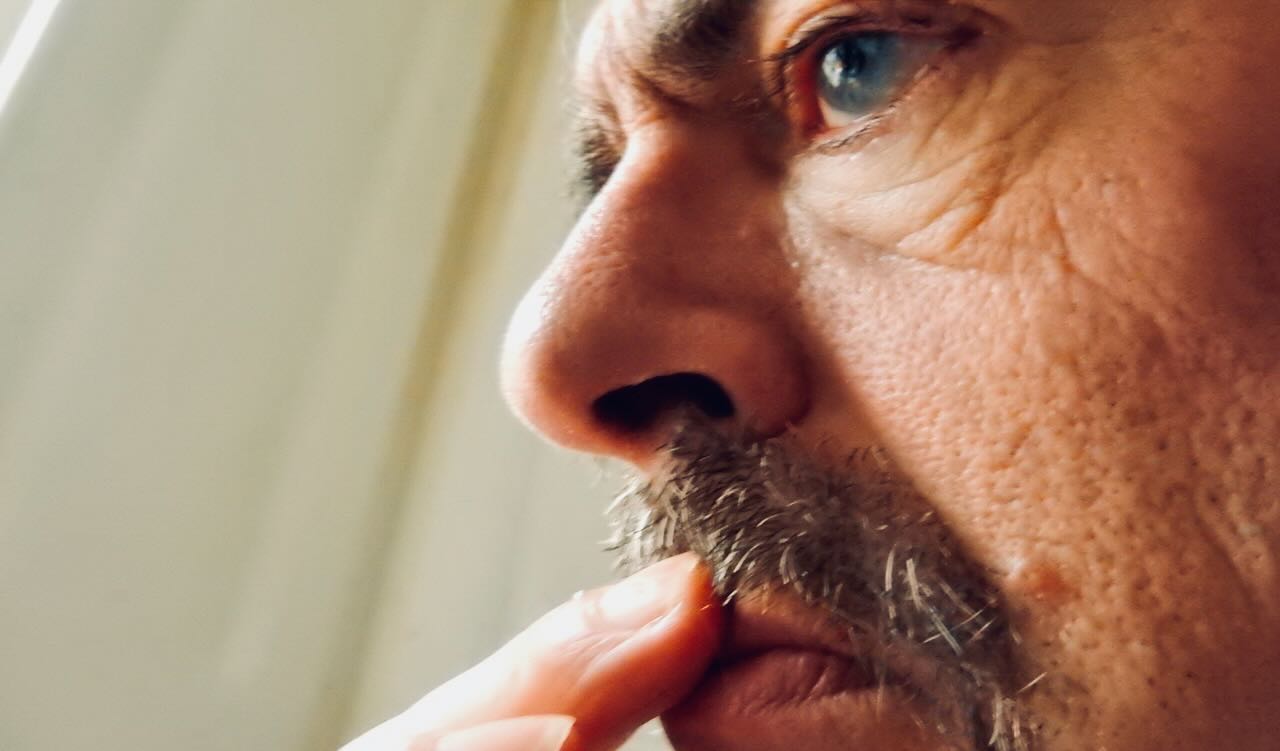
I don’t like this moustache. I don’t like the way it feels and it must add 20 years to my face. On Tuesday morning next week, December 1st, it’s coming off. But before it goes, if you would care to support me in raising money to help combat prostate cancer, testicular cancer and men’s mental health problems then please do visit my Movember page at https://movember.com/m/drewwhitworth?mc=1 . In the meantime though, I suppose I’ve seen worse self-portraits than this one.
Health wise things are better than they were last week but that doesn’t mean I have begun leaping around and exploring the world again this week. Besides, I have the year’s first chunk of marking to get done. And still the nights close in, with nearly a month to go until the Solstice yet. Twenty past three, and dusk is upon us. Back to work for a while, I suppose.
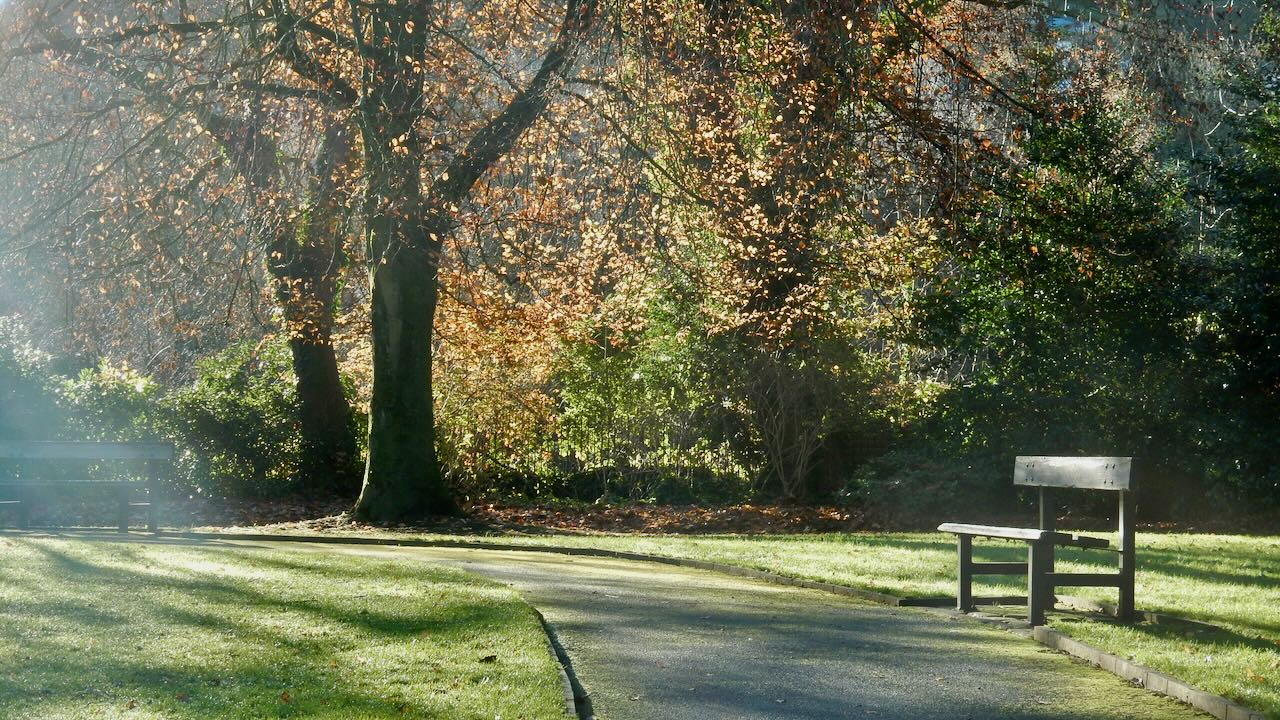
In recent days the temperature has been that of winter, but as far as the leaves are concerned they seem reluctant to give up on the idea of autumn. Photographically let’s therefore give them all a few more opportunities yet. Cold it may be, but the sun is shining, and there were worse things to do this Sunday morning than just sit in the park for a little while and soak up a few more rays. I’ve been inside enough, these last few days.
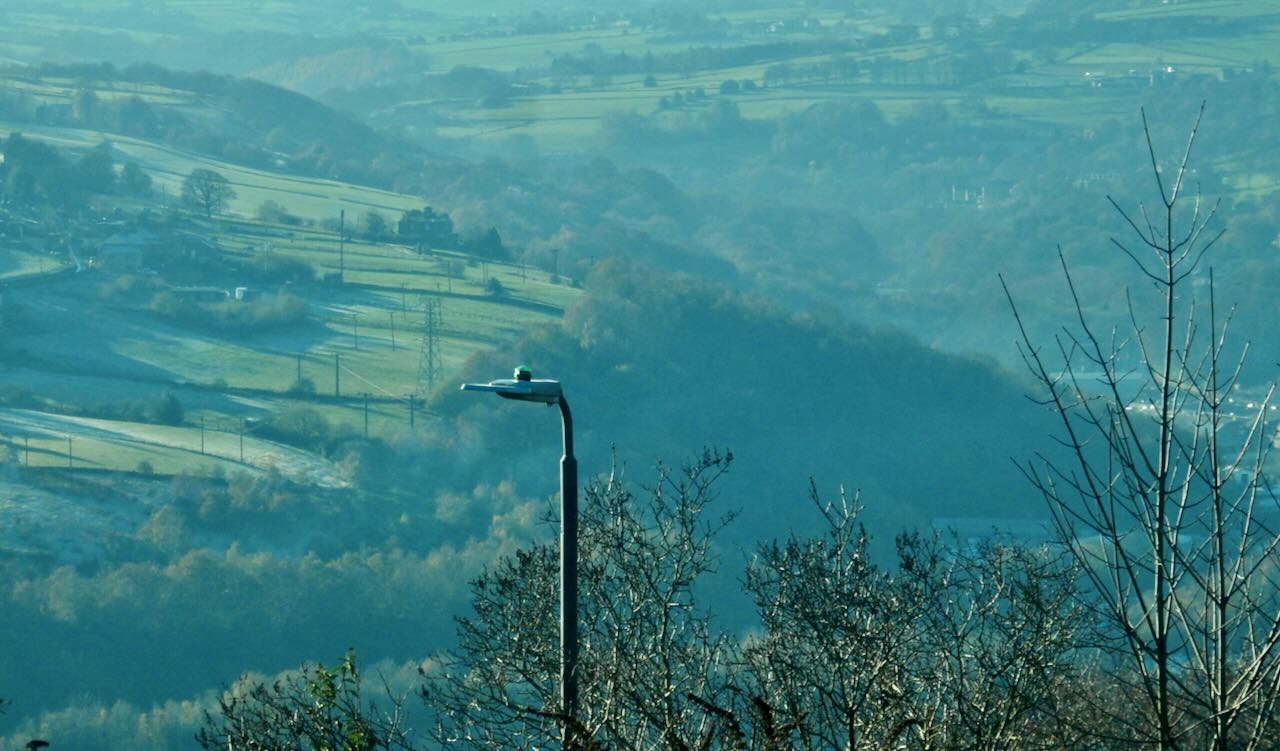
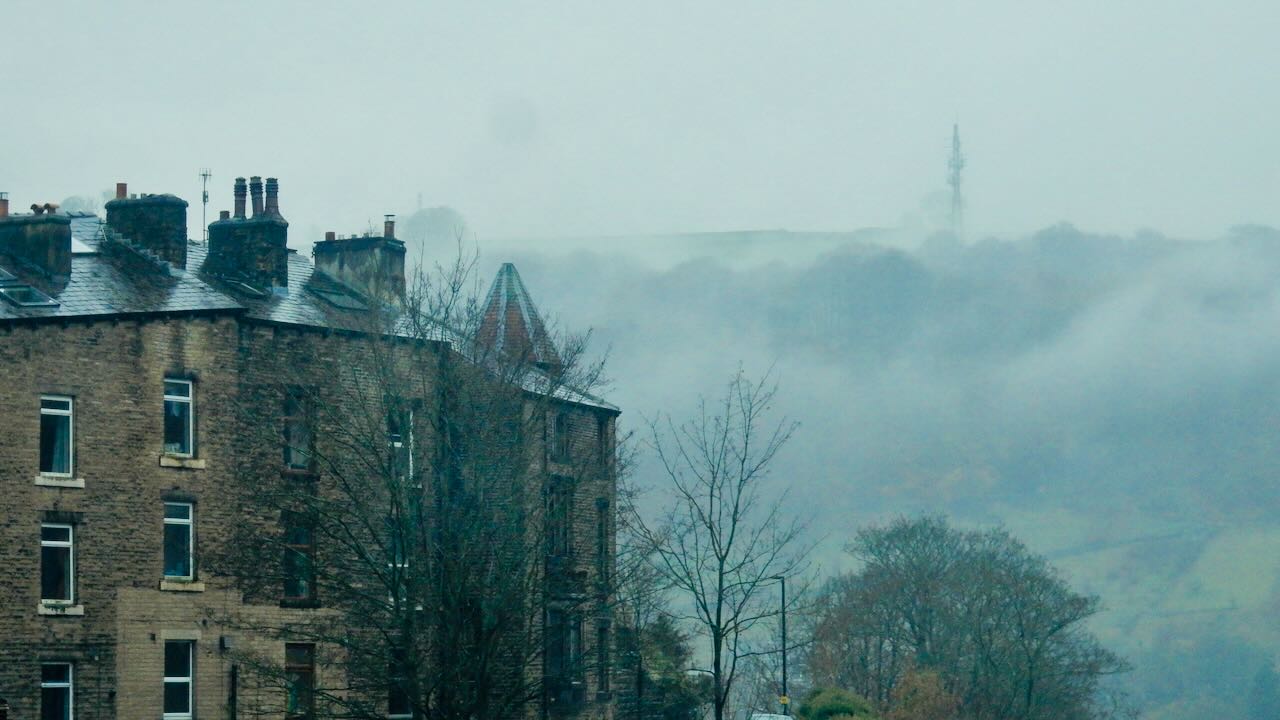
The road from Hebden Bridge to Halifax starts off following the valley bottom but after a while begins to rise, When driving it is easy not to notice how much height has been gained as houses and trees block the view, but from the top deck of the 591 (Burnley – Halifax) bus there are more opportunities to appreciate the geography. Usually I would object to a lamppost getting in the way like this but today it serves as a useful point of reference.
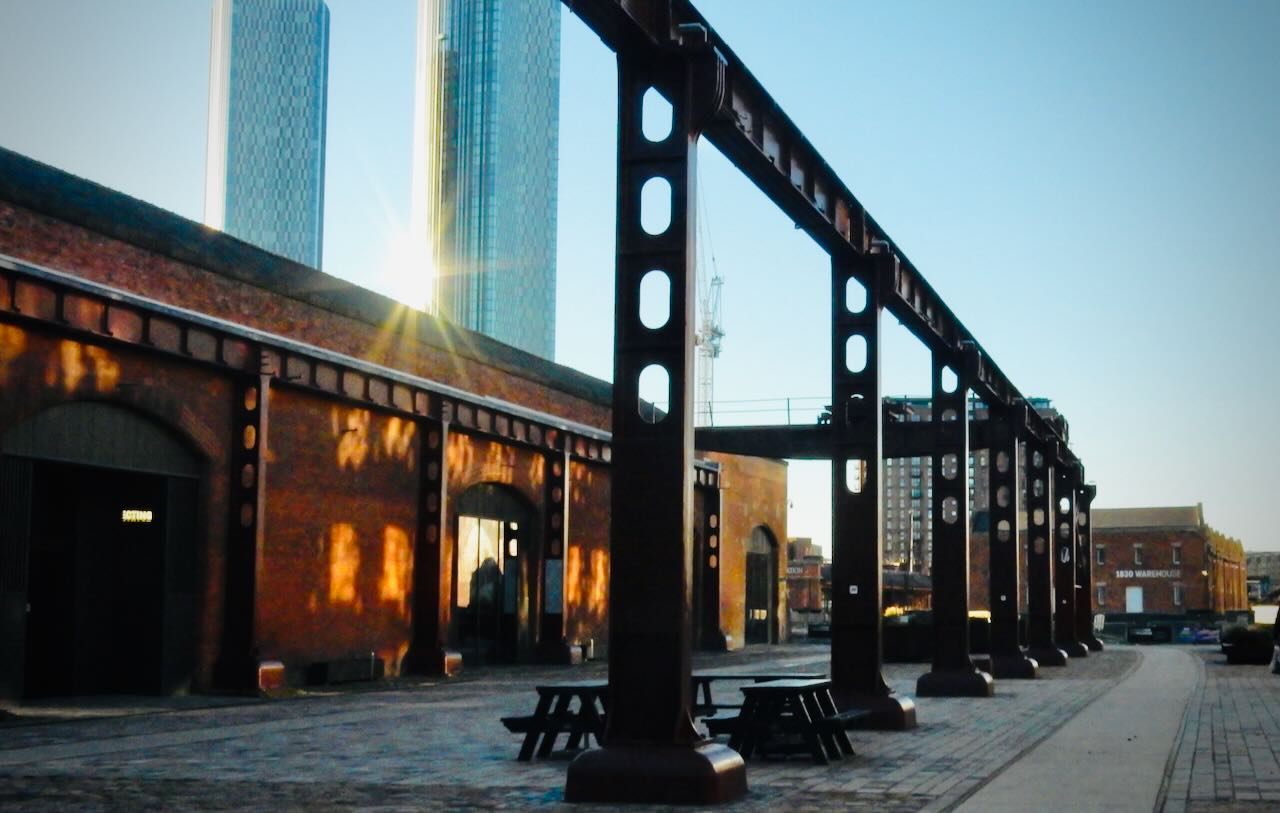
Little choice today but to haul myself into Manchester as I had to run a couple of field trips for my students to local museums, the afternoon one being to the Museum of Science and Industry, which doesn’t appear to have previously had its own tag on here although I know it has featured before. This is built in what used to be Liverpool Road railway station and its associated goods yard, this being the first proper railway station in the world, dating from 1830. Over there — the present, and future .
“OK colleagues, let’s organise ourselves properly. Keep an eye out in both directions…. we don’t want those pesky pigeons muscling in on our territory today.”
Yes, I made it out of the house today. However, this turned out to be not the greatest move and it probably won’t happen again tomorrow.
I don’t have a particular history of illness, which is, of course, a good thing. In the fifteen-plus years of this blog there has been only one sustained (that is, more than a couple of days) period of feeling crap and even then — early December 2019 — I still managed to get out a bit, although probably shouldn’t have, particularly if my suspicions that I had brought Covid back from Indonesia three months before lockdown were correct. (I will never know for sure.)
Right now though I feel like utter dreck and have barely left the bedroom since getting back from Burnley on Sunday evening, let alone left the house. I will, of course, keep pointing my camera at things but please, bear with me.
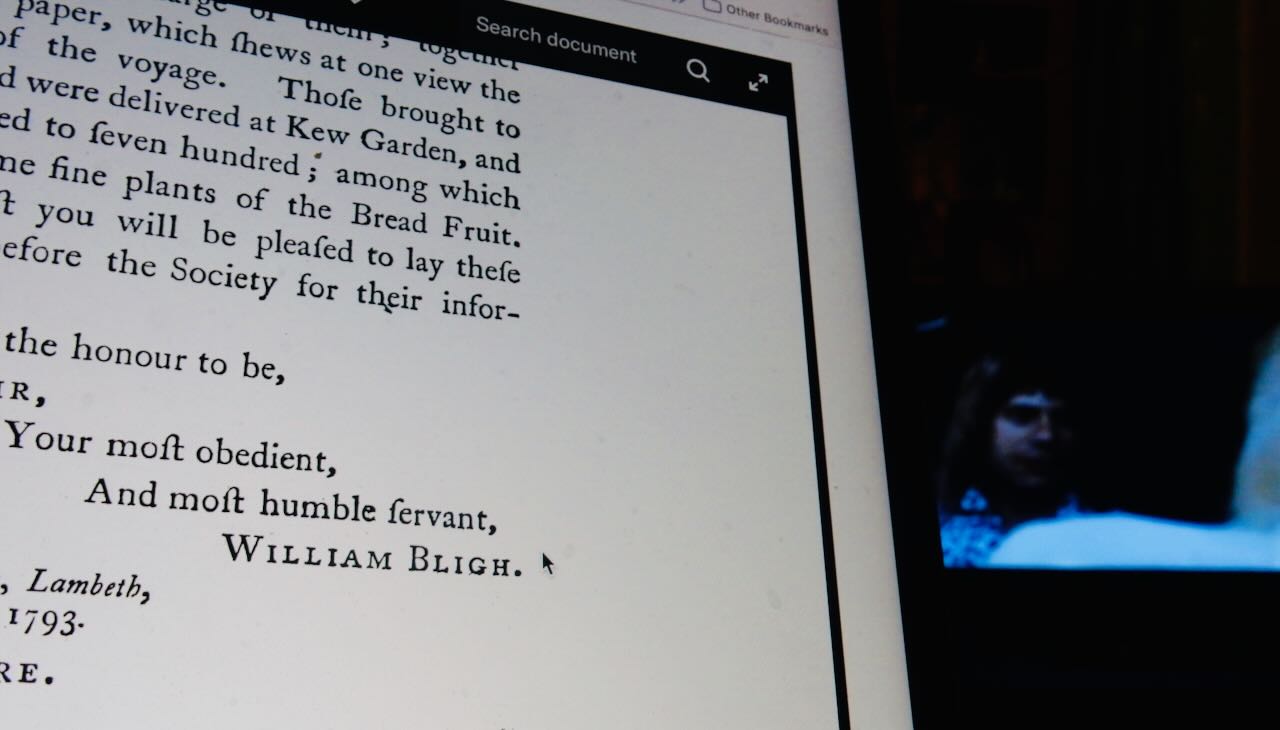
One of the things I like about doing my research into the history of St Helena, and history generally, is when people turn up unexpectedly in the record. In this case, Capt. William Bligh’s voyage of 1793 from Tahiti, mainly to collect specimens of breadfruit, which was reckoned to be a cheap and productive source of food for slaves in the Caribbean, only apparently it really wasn’t very popular. If you recognise the name of this chap it’ll doubtless be for his little contretemps four years earlier when Bligh was the captain of HMS Bounty. I was staggered to learn that after being set adrift in a launch by the mutineers, without charts or a chronometer, Bligh and his 18 loyal men sailed more than 6,700 km to safety, over 47 days, and only lost one man on that voyage (though a couple more did die shortly after reaching Timor). And then he just went back to work.
Meanwhile, over there, Nigel Tufnel of Spinal Tap. And why not?