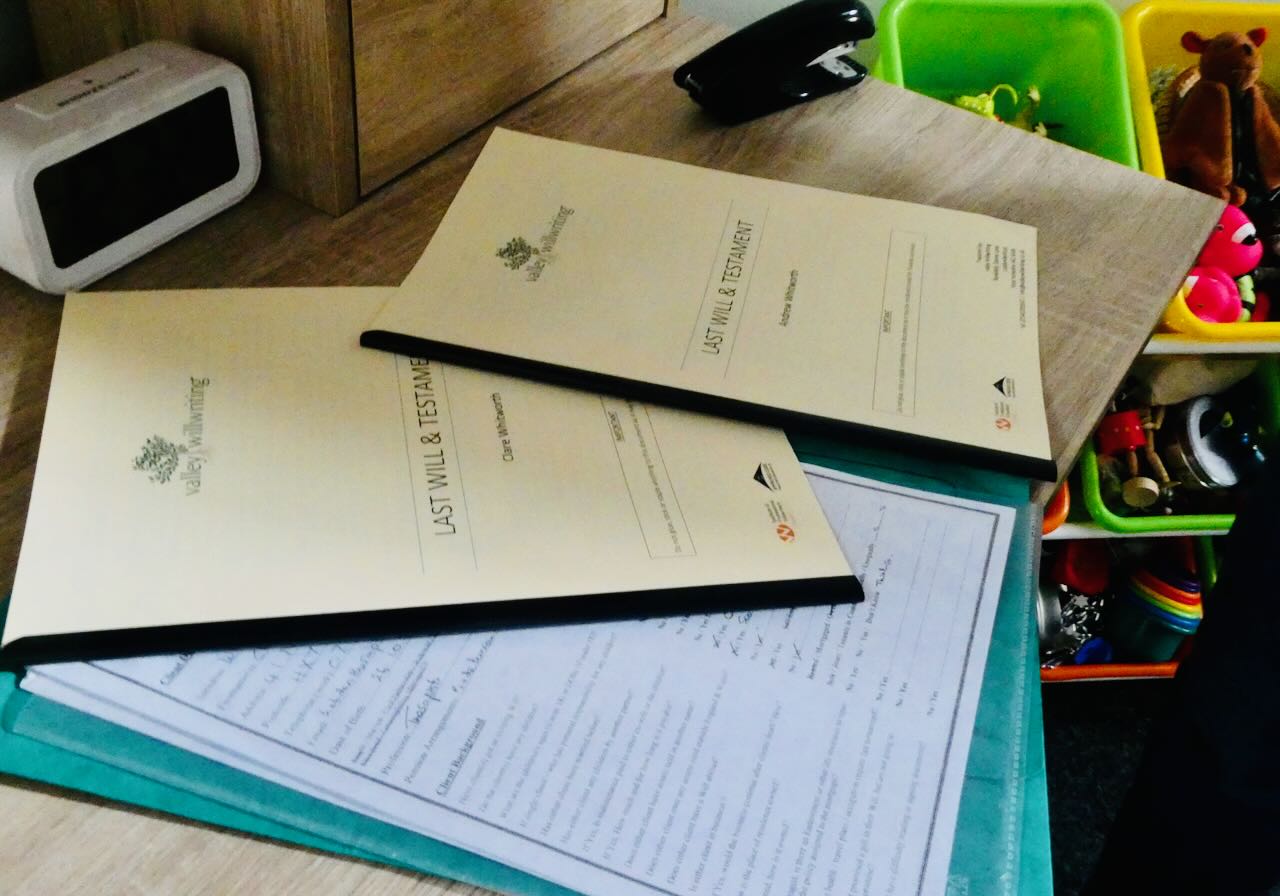
No attempt at artistic merit today, but this was, I suppose, a significant event and worth documenting. Along with a couple of witnesses, Clare and I gathered in her room in town (hence the various accoutrements in the background) to sign our wills. I have made it to 56+ without having troubled to write down any wishes regarding what should happen to my estate once I finally stop doing this blog…. sorry, I mean, die. But here they are. I am sure there are no big surprises within either one, but at least it is now officially unsurprising.
I don’t think the woodlouse is getting the best of this encounter. I’m no psychic but whatever thoughts might be going through its little brain at the moment, probably they could be summed up by the word on the poster behind.
The only thing that most people can recall about St Helena is that it was where Napoleon Bonaparte was exiled for the last five and a half years of his life. I have a lot of sympathy for the guy; after defeat at Waterloo, certain that the Prussians, at least, were going to kill him the second they caught up with him, he surrendered to the British, only to find himself — without trial or conviction for any crime — packed off to the middle of the South Atlantic, and put under house arrest in Longwood House. These days that building would be desirable real estate I’m sure, but, riddled with damp and rats at the time, I wouldn’t want to spend all that time here against my will, particularly not if I’d been in charge of much of Europe in the previous couple of decades.
This isn’t Napoleon’s original death mask, created as he lay in this room in May 1821, having died (conspiracy theories notwithstanding) of stomach cancer, aged 51, younger than me. Apparently, for some bizarre reason, that mask currently resides in the University of North Carolina. But, copy of a copy though this one may be, here the erstwhile Emperor’s face sits in the very room of Longwood House in which Napoleon’s body lay in state 202 years ago. Officially I was not supposed to take photos inside the house, so this is firmly an unofficial shot. Don’t tell anyone.
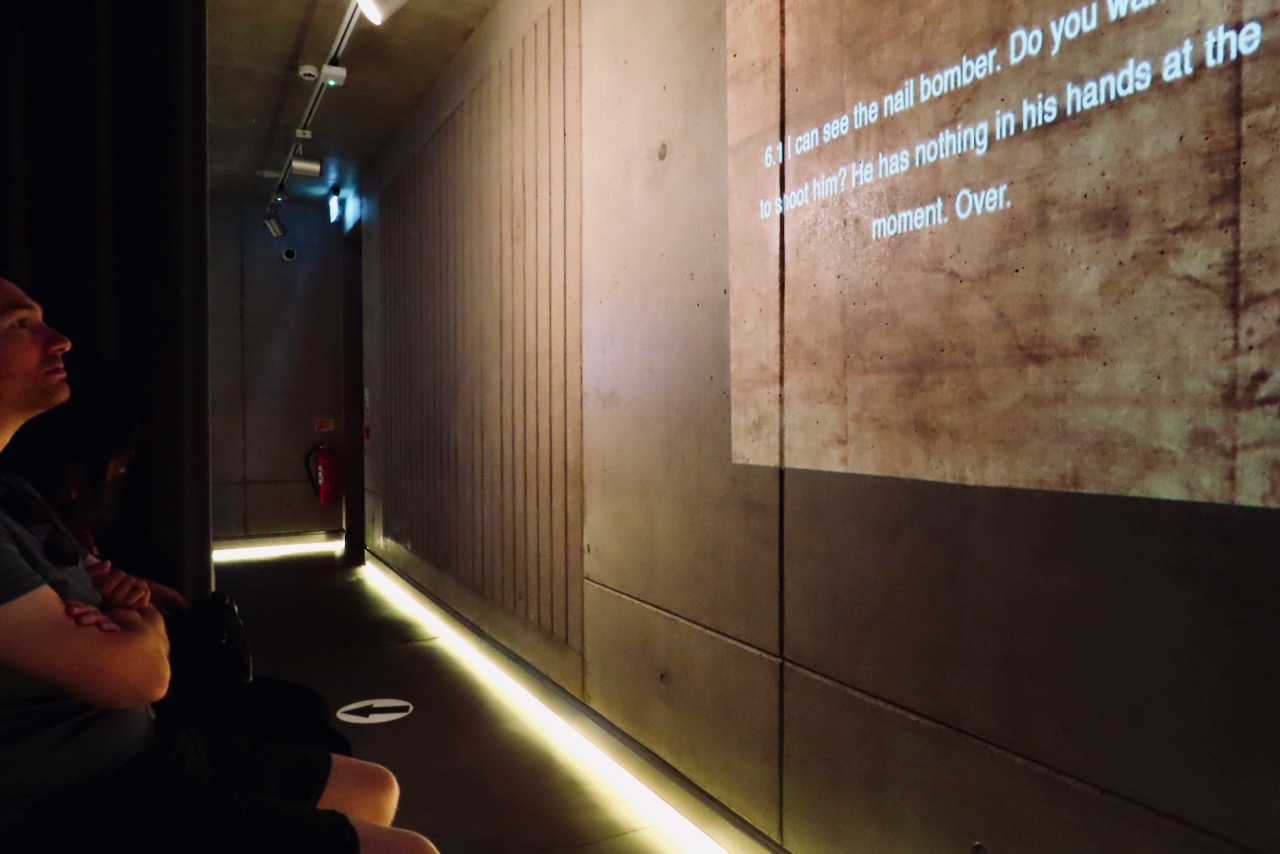
On 30th January 1972, not more than a hundred yards from the Bed & Breakfast where we are staying in Derry, the British Army killed 14 citizens of its own country, and wounded 14 more. It took decades, but in 2010 it finally came out how the Estalishment massacred these innocent people, as this quote from a radio conversation between a soldier and his officer reveals: “This chap is clearly unarmed, but can I shoot him anyway?” (The answer was yes.)
The Museum of Free Derry now stands more-or-less on the spot where this atrocity took place, and I’m glad it’s there, and doesn’t depend on state funding. The present bunch of ruling morons are as likely to encourage moves towards a united Ireland as they are anything else. Sadly, I’m English, and can’t secede with them.
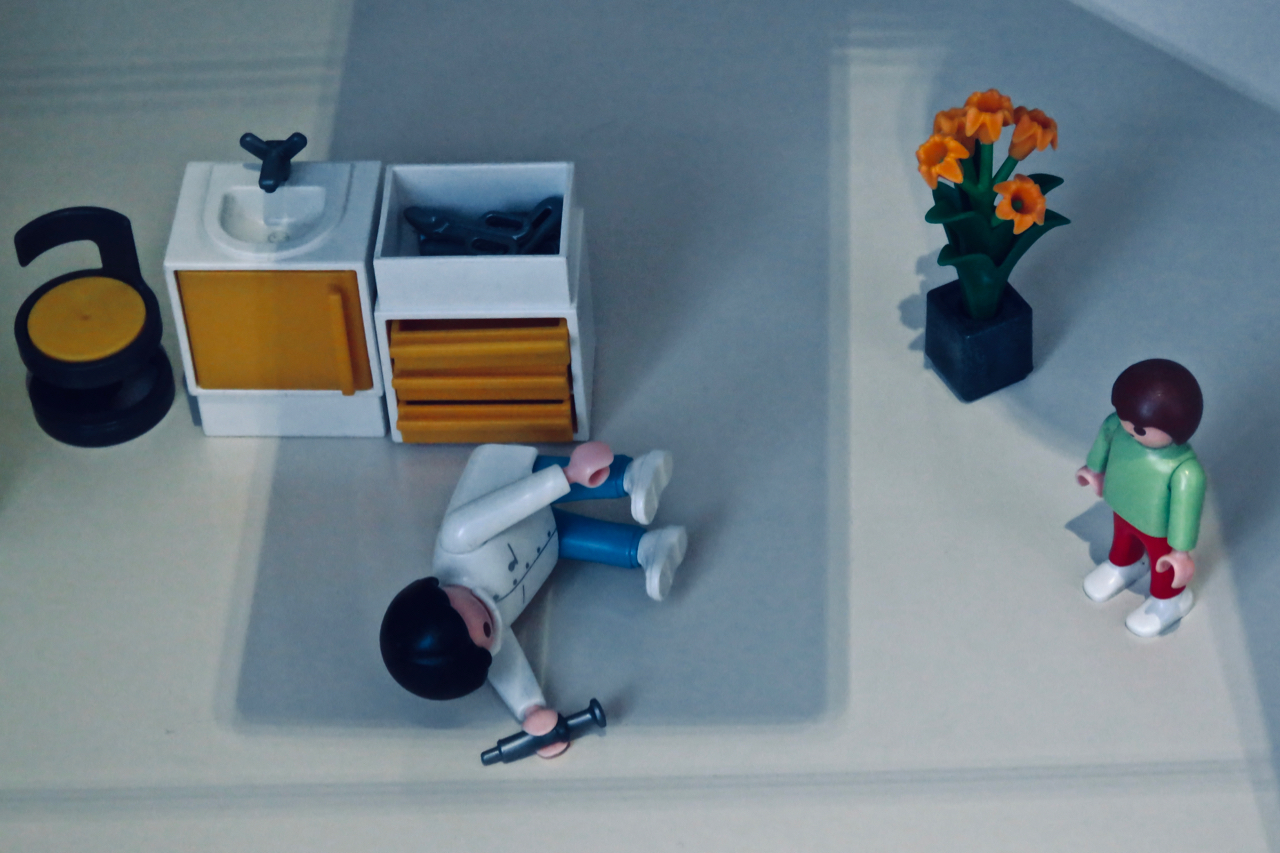
While waiting my turn in the dentist’s this afternoon I noticed this little tableau set up in one of the display cabinets. So many questions…. If the mad guy in the white coat was attacking the woman in green with a hypodermic (or possibly a huge rivet), and she took him out in self-defence…. what did she do with the murder weapon? Hang on…. I think I see it… !
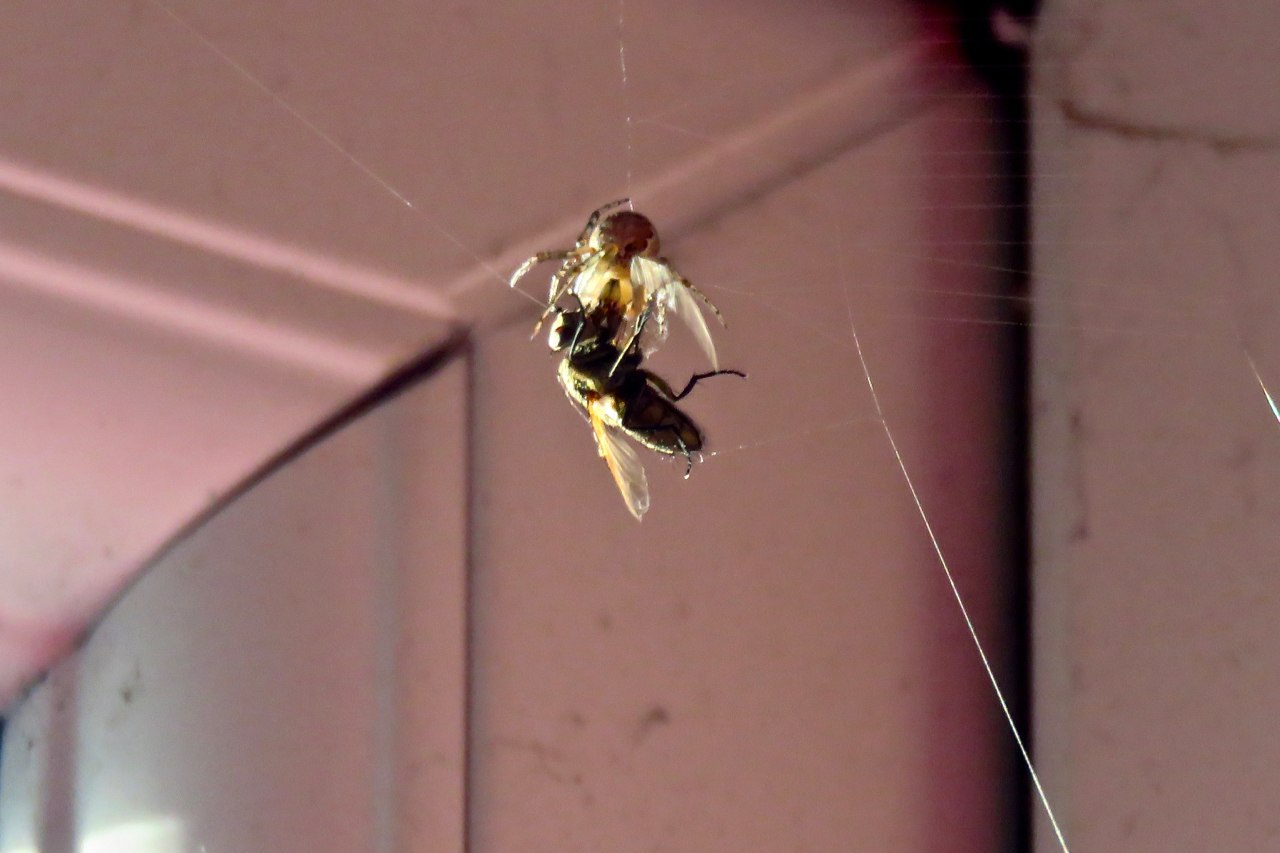
This could be the first confirmed death of an organism to be documented on the blog: unlike this bumblebee, the wasp didn’t get away. Paralysed, wrapped in unbreakable bonds and dragged away to some dark corner where its captor will slowly suck its juices out over the next couple of days. I hope your ending is not as harsh as that. Nor mine, come to that.
Nearly four weeks ago now (it was the evening that I returned from Dubrovnik) a pedestrian was run over and killed in the centre of Hebden Bridge. These flowers appeared at the spot within a couple of days, and remain there still, wilted and fading but still constituting a memorial to the dead man.
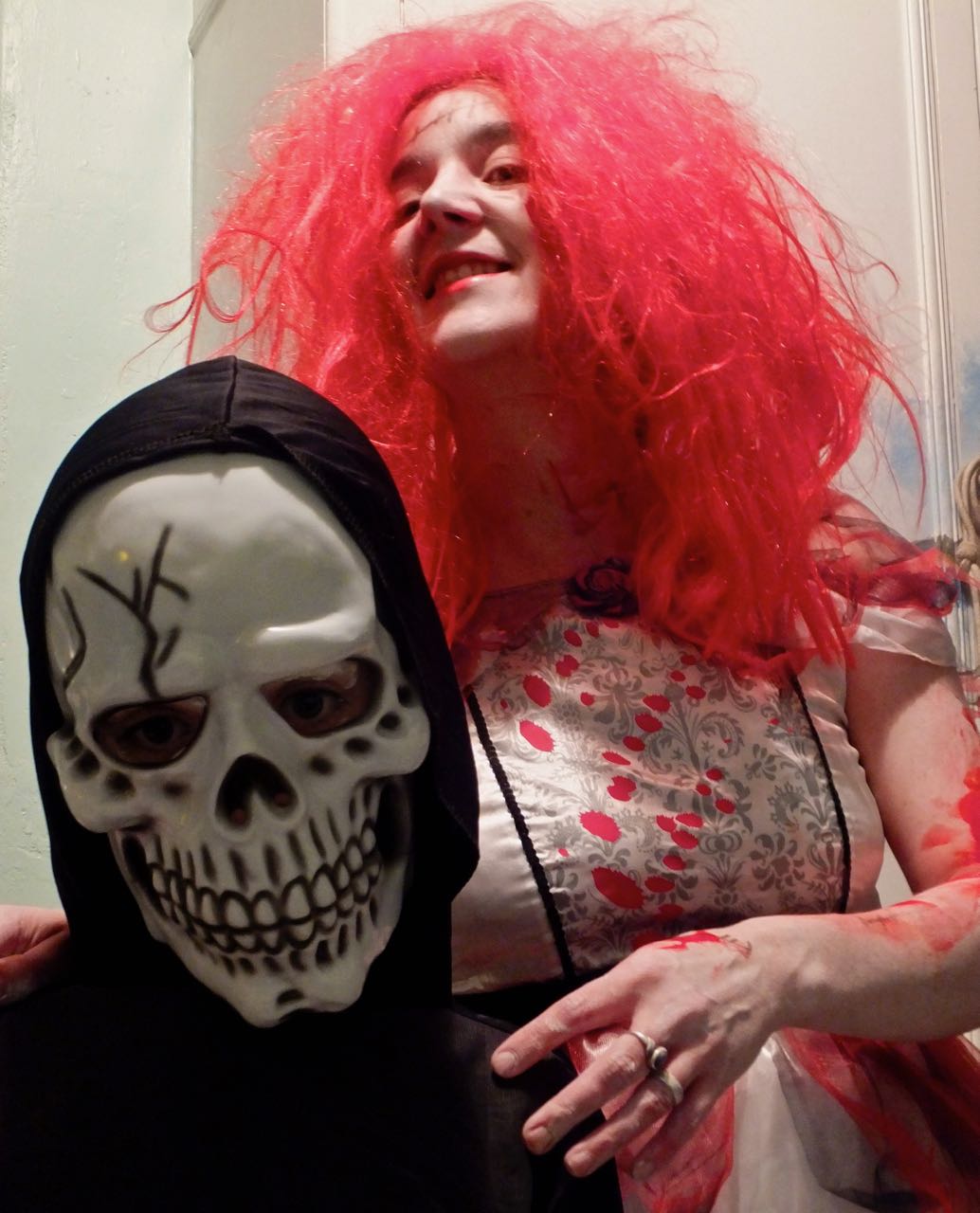
I don’t really do Hallowe’en myself, but others do, and it’s a good photo opportunity at least. Like, for this tender mother-and-son shot. Aren’t they cute.



 Being 42