Tuesday 24th June 2025, 3.50pm (day 5,052)
“OK, are you ready? I want you to get my best side…. THAT’S the one. Send me a copy….”
“OK, are you ready? I want you to get my best side…. THAT’S the one. Send me a copy….”

There have been, I count, five previous photos of deer on here down the years and with the possible exception of the first one (13/10/2015), the subjects of each were well aware of my presence, watching me just as carefully as I was watching them: take this lot, for instance. This young chap (and he is a male: there are antlers beginning to sprout) was no exception. He let me take the picture but scooted off the moment I made to come any closer. It’s just as well for him I didn’t have a gun, though.

The damper weather appears to have made these two frisky. But guys — doing it on the pavement is probably a bad idea. You need to keep an eye out for the Boots of Death coming your way.
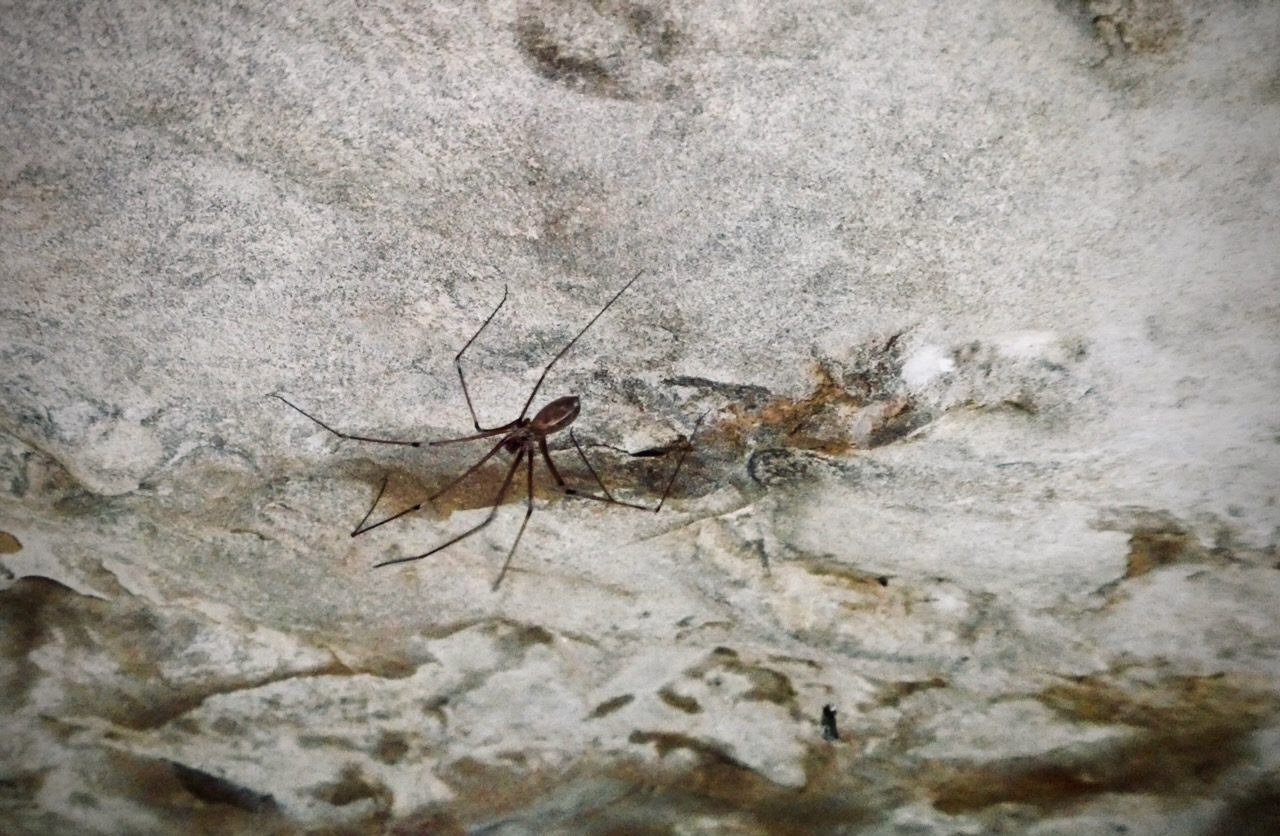
The really big buggers that used to reside in our sheds — like this one, for example — have not been seen for some time, unfortunately. But the ones presently residing in the accommodation are big enough, and if it the evidence is anything go by, they are laying eggs.
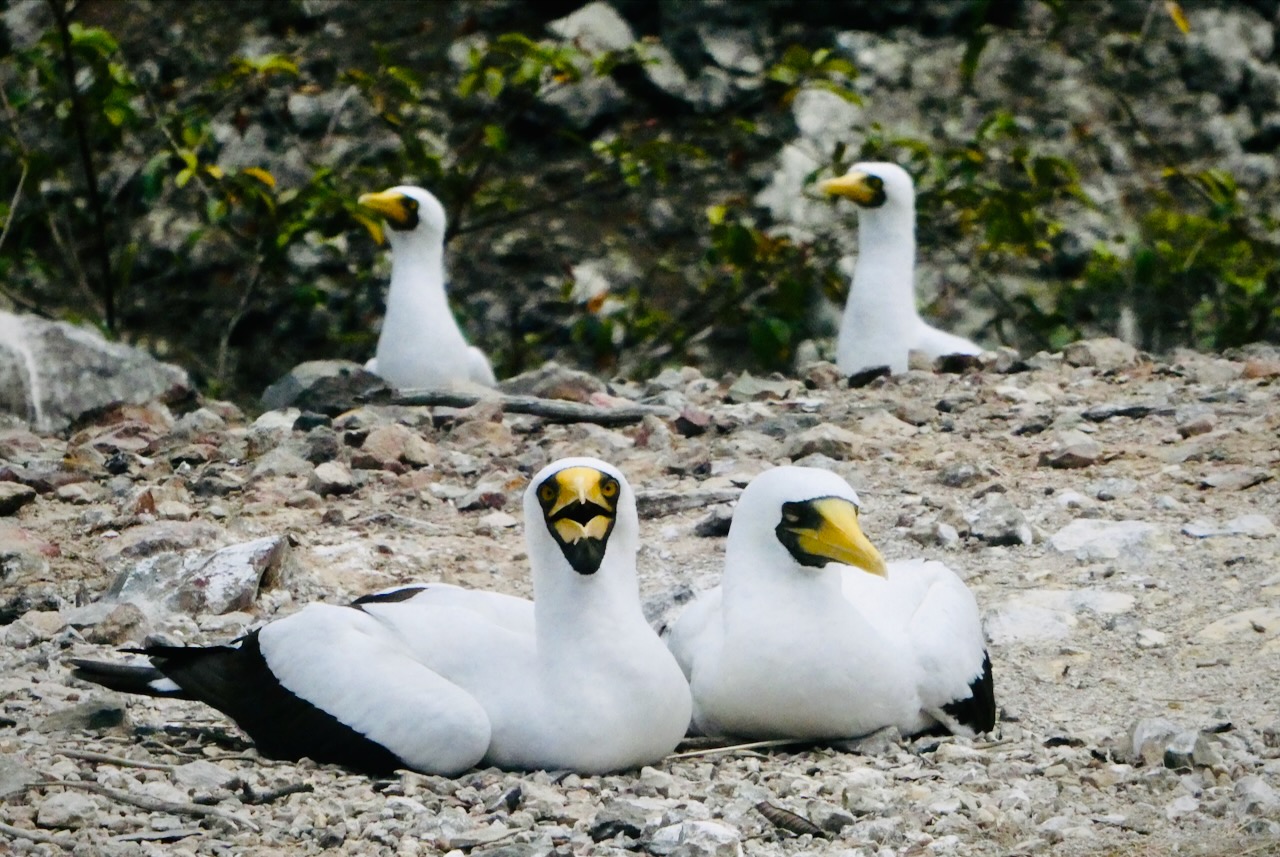
The boobies in question being, of course, the species of seabird (Sula dactylatra), of which there are hundreds, possibly thousands nesting on the Letterbox peninsula, at the eastern tip of Ascension Island. They fly very gracefully but have these big, ridiculous flappy feet and, on the ground, waddle in an amusingly silly fashion. It’s interesting that male and female masked boobies can be distinguished not by their appearance, but by their sound. Males whistle, and females honk. Both noises came out as they watched me pass by, I took the shot, everyone was happy.
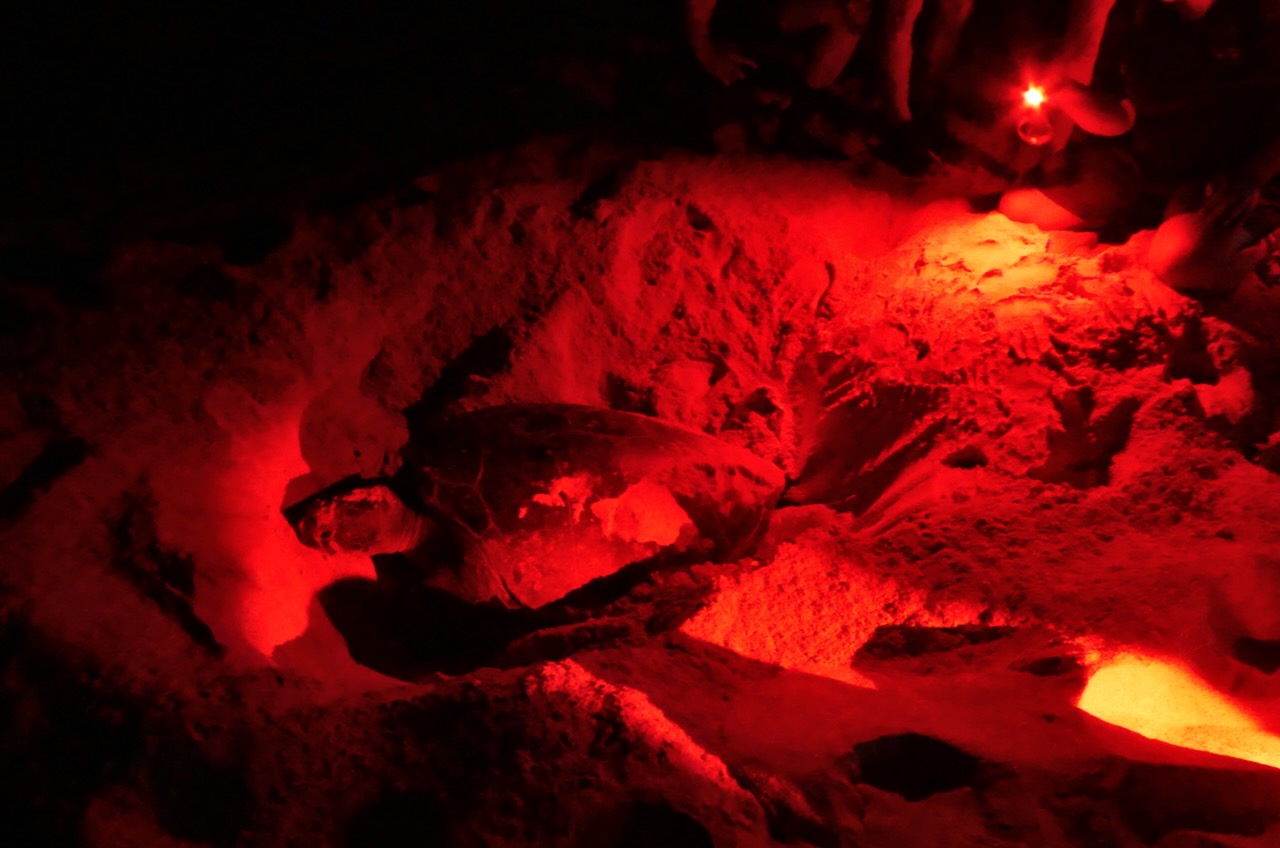
A true natural wonder of the world, the beaches of Ascension support a large population of green sea turtles, Chelonia mydas (though they don’t look green: the descriptor refers to the colour of their fat, not their shells). In the first half of the year hundreds come ashore nightly, dig pits in the sand and deposit dozens of eggs. Some time later, tiny hatchlings emerge and scurry back to the water: a few will survive to maturity and so the cycle begins again. Humanity seems to have learned to look after them slightly better than in the past. What you see here is a female actually laying: it is only during this time that they can be approached without scaring them, as they concentrate far too hard on pushing out the eggs to be bothered about surrounding humans on the Monday night ‘Turtle Tours’ organised by the Ascension Conservation Centre. One of the more worthwhile £10s I have ever spent. Red torches only are allowed.
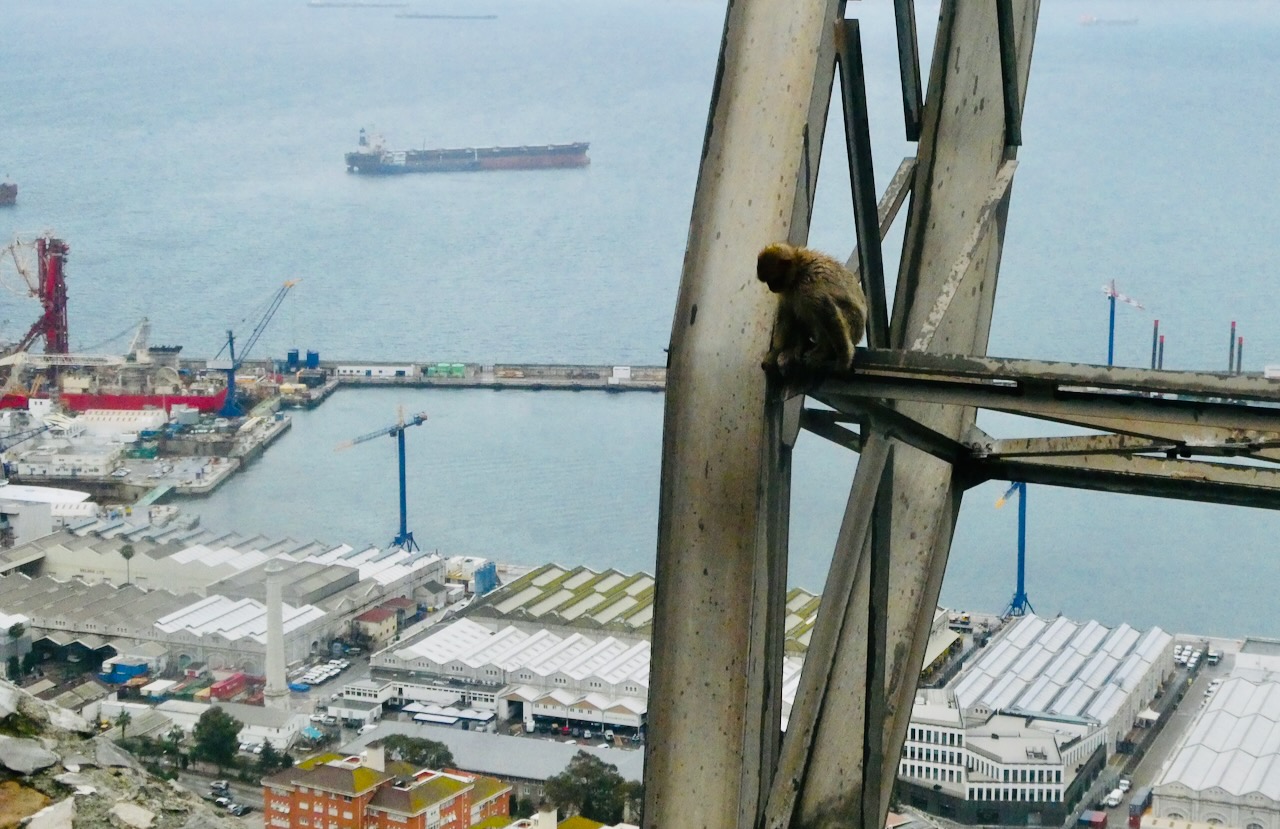
The Barbary macaques which live in Gibraltar are the only wild primates living in Europe. They’re doing well enough — there are around 300 living on The Rock, a healthy population considering that during World War 2 numbers were down to single figures. I thoroughly enjoyed my encounters with them today, particularly the troop that lived around the mid-height pylon for the cable car, which they treated as just a big metal tree, clambering up it and then sliding back down the struts, seemingly just for the fun of it.
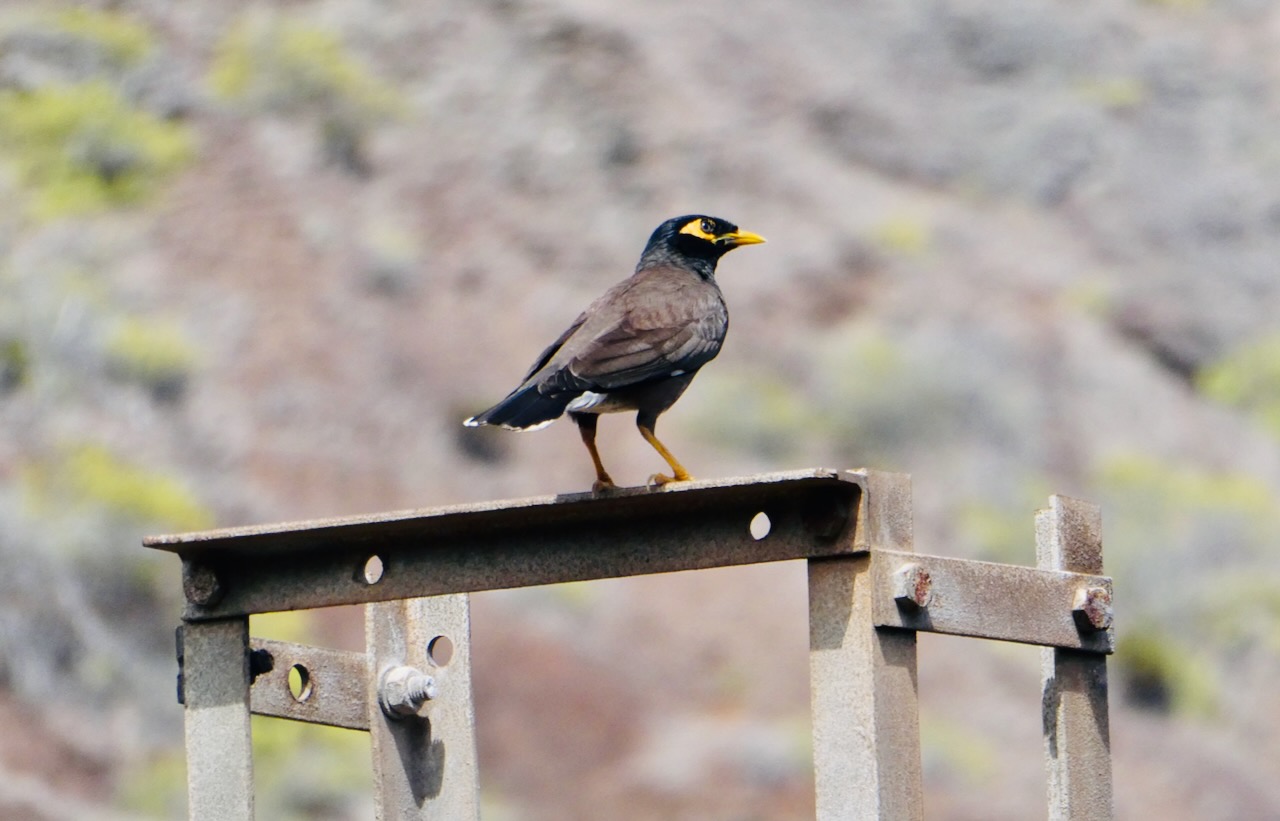
Mynah birds are everywhere on St Helena, and considered something of a pest by the locals, though I have to say I quite like them, they are handsome creatures I think. Two of them were the subject of the photo taken on my first full day here, in quarantine, back in November 2021 and it’s time one made a reappearance. This is the 60th shot taken on the island, and considered as a country, it thus draws level with Russia on the stats, ready to overtake it tomorrow and become the 5th most depicted one on here (after England, Australia, Scotland and Norway). And I doubt I’ll be going back to Russia any time soon — but there is more to be seen of St Helena yet.
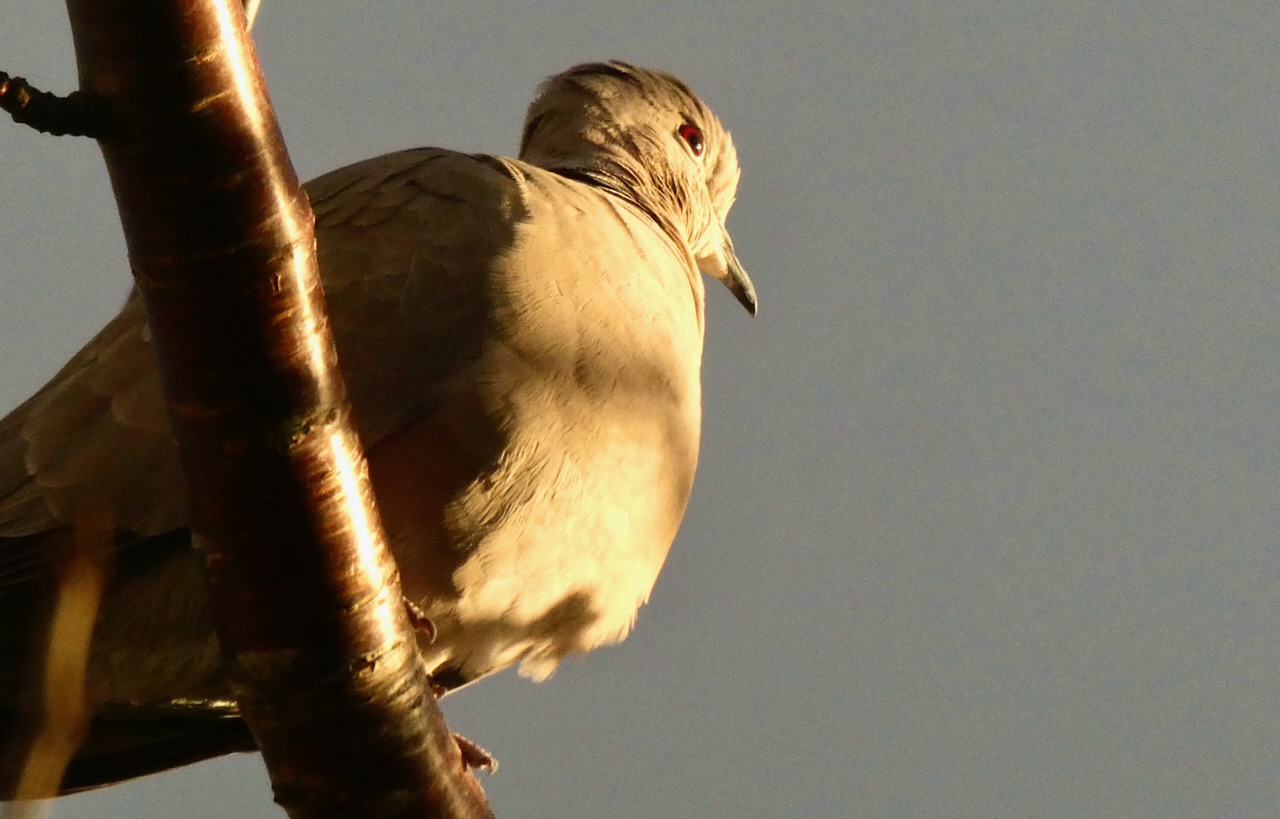
Doves have been a religious symbol for thousands of years: Christianity just adopted a tradition that had begun in Mesopotamia (according to Wikipedia, which of course is right about everything). If you ask me, though, this one has the evil eye; zoom in a bit and you’ll see what I mean.

Though we have been staying in London over the weekend, this part of the Thames is further upstream, just past Marlow, where the river forms the Buckinghamshire/Berkshire border for a while. I am very happy with this shot, as it turned out just as was hoped when I pressed the shutter. It seems to sum up two things about the Thames at this point — the wildlife and natural qualities are pretty good, and there’s certainly a lot of blatant displays of wealth around.
 Being 42