Tag Archives: World War 2

Blockship

Monday 28th July 2025, 3.05pm (day 5,086)

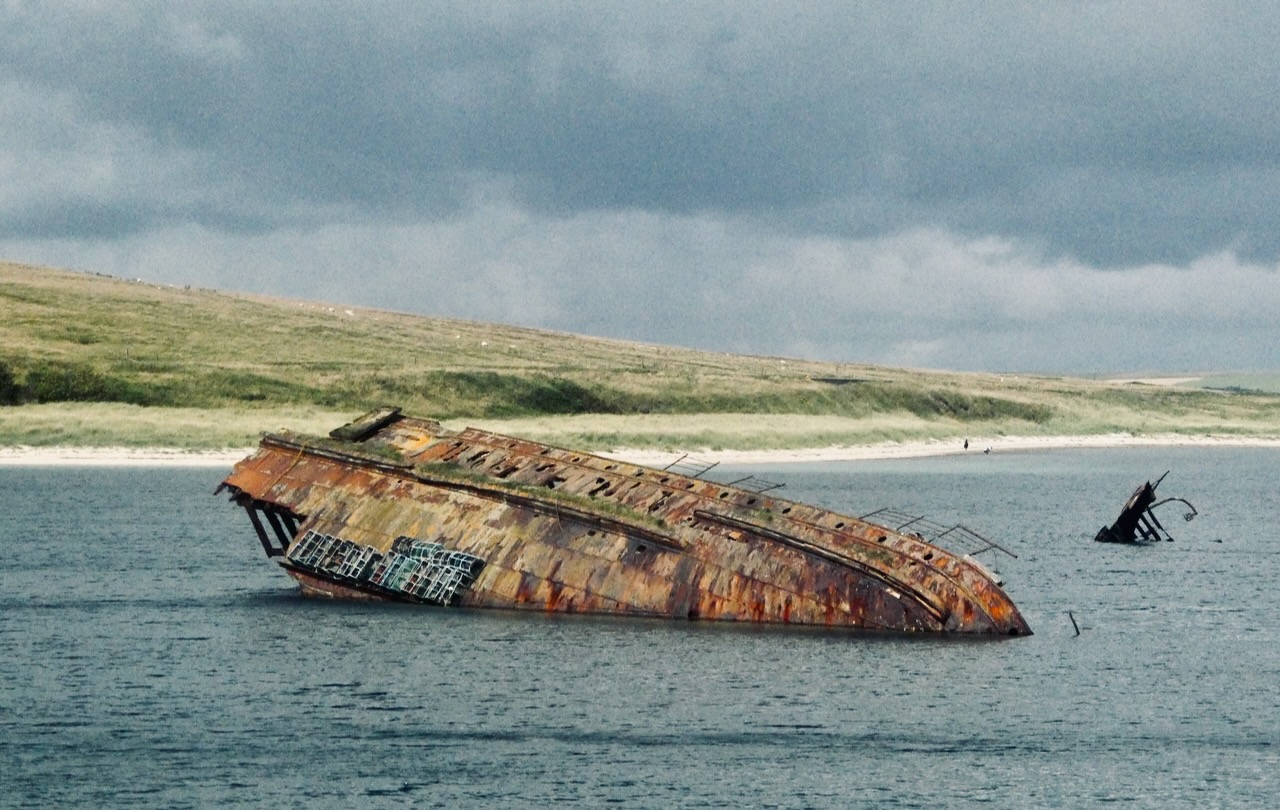
 Blockship, 28/7/25

At the start of World War 2, a good portion of the British Navy was berthed in the immense natural harbour of Scapa Flow, the entrances of which were defended by a range of methods including the sinking of obsolete ships in the channels. That these defenses were inadequate was proven when a U-Boat snuck in anyway and sunk HMS Royal Oak with the loss of hundreds of lives. As a result, Churchill ordered the building of the barriers that now bear his name and block off all entrance to Scapa Flow on its western side — though, in a move typical of many public works projects, these were not in fact finished until literally four days after the war had ended. Anyway, the Barriers now act as causeways linking Orkney’s south-eastern group of islands to the Mainland, and the blockships still sit there, rusting away and playing home to the occasional lobster pot.

Tagged , , , , , , , , ,

St Luke’s, the bombed out church

Saturday 4th January 2025, 10.10am (day 4,881)

Bombed out church, 4/1/25

St Luke’s, Liverpool, was your basic, big urban church until the night of May 6th 1941, when the Luftwaffe decided to do some remodelling. It has been left like this ever since, as a memorial to all those who died in WW2.

How’s my symmetry on this shot? Hmmmm…. it’ll do. Apart from the barrier on the right-hand side, anyway. These kinds of thing always seem to be there to vex us. The other visitor, I’ll let him off.

Tagged , , , , , , , , ,

Enigma

Friday 15th March 2024, 12.30pm (day 4,586)

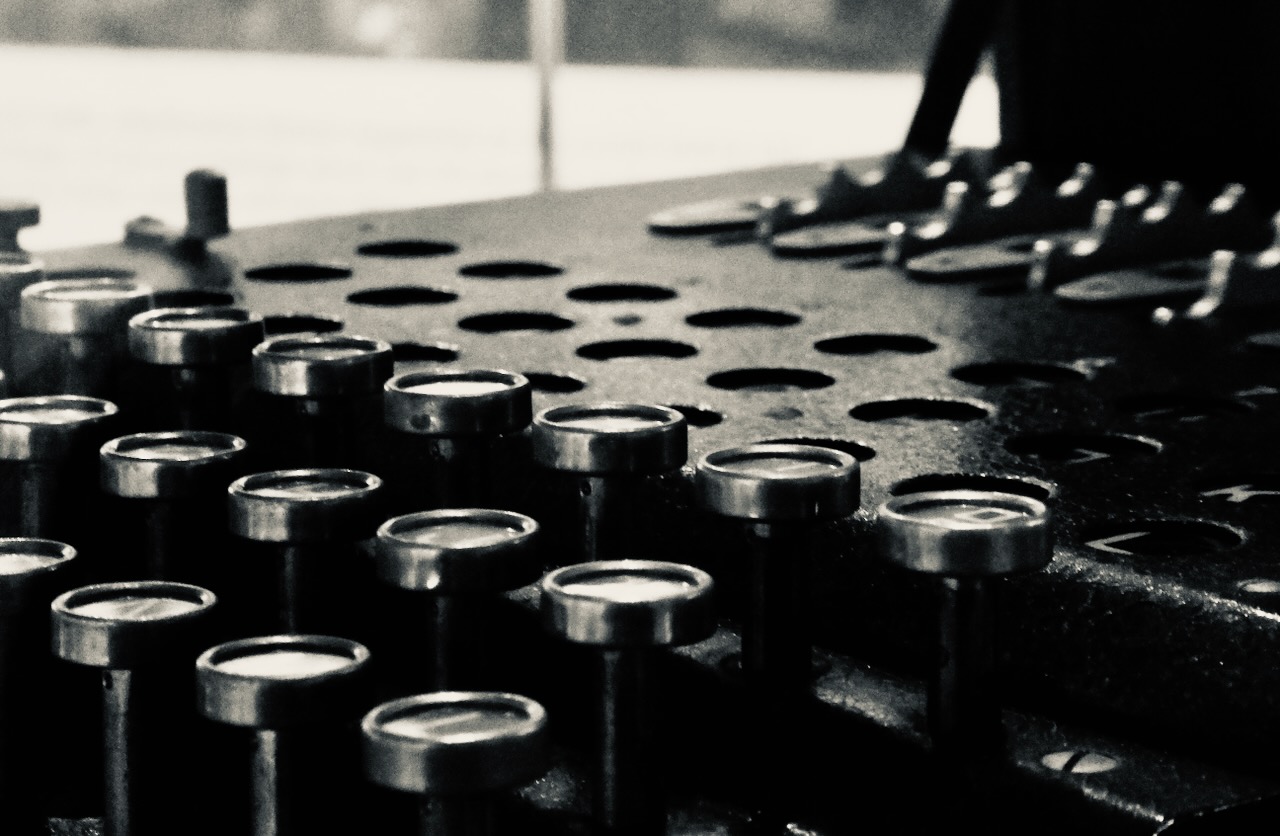
Enigma machine, 15/3/24

Found another excuse to leave home for a while and come for a weekend in Milton Keynes, which may not sound the most immediately glamorous destination, but it does have the significant draw of Bletchley Park. It was here that World War 2 was won, arguably, when a (largely female) staff of thousands worked tirelessly to crack German ciphers, mainly produced by the now-famous Enigma machines, of which the museum still has a few dozen, out of about 450 surviving ones apparently.

Do you know that if Enigma had ever enciphered a letter as itself, the code would have been near-impossible to crack? But this was its fatal weakness, giving just enough indication that particular strings of gibberish might just be commonly-used phrases like “Wetter für heute” [‘the weather for today…’] and allowing each daily machine setting to be worked out.

Tagged , , , , , , , , , ,

My granddad, in Egypt

Sunday 17th December 2023, 12.25pm (day 4,497)

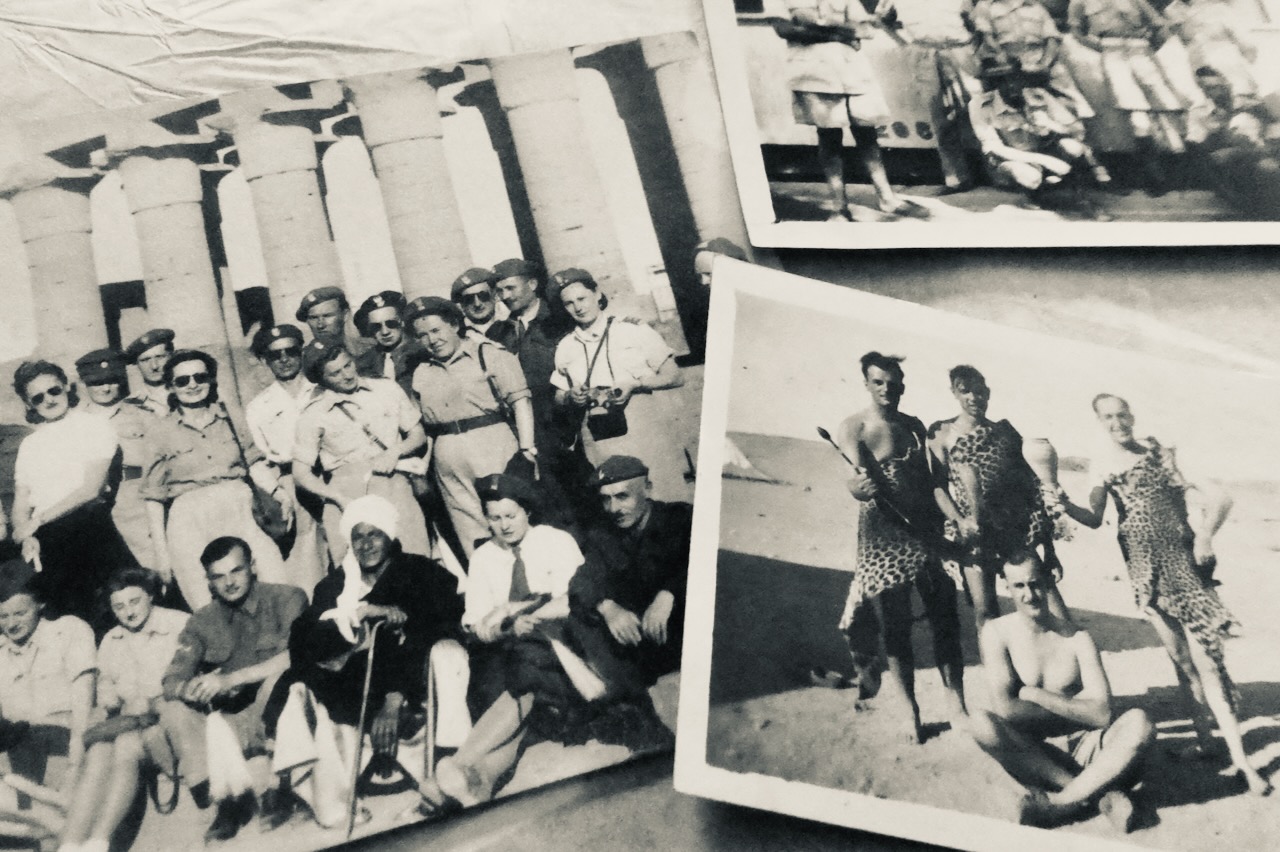
Grandad's Egypt pictures, 17/12/23

From a fake old picture to some real ones. These were taken in around 1945 when my Granddad, Harold Whitworth — my father’s father — was serving in Egypt towards the end of World War 2. He’s the chap with the dapper moustache sat down next to the guy in the turban; and the one on the left of the other shot. (Mildly dubious it might be to dress as a native stereotype, but I have photos of myself doing much the same in Fiji.) Anyway, these are the kinds of family references that now seem obligatory when visiting my parents for the annual-Xmas get-together — last year it was the family tree; in 2023, the box of very old photos.

I don’t honestly remember Granddad ever saying much about his experiences in the war; he was certainly not one of those ex-soldiers who go on about it to anyone who will listen. In these pictures it all looks like an extended holiday, but I’m sure it wasn’t. 

Tagged , , , , , , , , ,

Lager Sylt entrance (lest we forget)

Thursday 16th August 2018, 2.30pm (day 2,548)
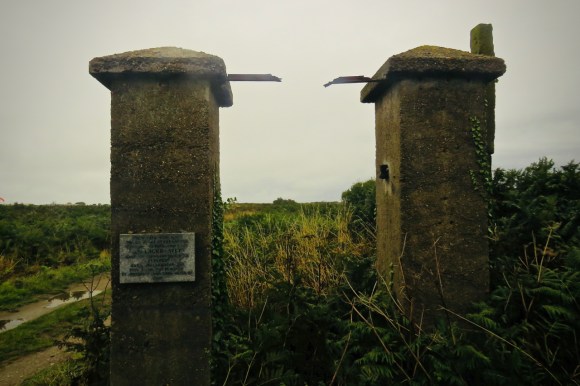
Lager Sylt gates, 16/8/18

Unlike the other Channel Islands, Alderney was completely evacuated in June 1940, eight days before the Germans arrived to occupy it for the next five years. Because of the lack of a civilian population, they pretty much did what they liked here, fortifying the island to an immense degree (to the extent that the Alderney garrison did not surrender until 16th May 1945, a whole week after VE Day). The labour that this required was undertaken mostly by Russian POWs, who were housed in four camps, or lager, each named after German North Sea islands. Lager Sylt was the camp for Jews, run by the SS, and along with nearby Lager Nordeney was thus the only concentration camp — so far — to have been built on British soil. 400 graves of prisoners have been identified on Alderney but many more are estimated to have died here. The only remaining sign of any of the camps are these old concrete gate posts, on the edge of the airport, and the small plaque affixed thereon, fading text declaring that this was the entrance to Lager Sylt.

World War 2 too often gets treated as some big nostalgia kick. But it’s worth remembering that all those years, all that effort and suffering and hardship, was fought for poor bastards like those prisoners, to stop this kind of thing ever happening again.  As time passes and the ruins moulder away, there’s a risk that some people are forgetting this.

Tagged , , , , , , , ,