Thursday 12th March 2026, 11.45am (day 5,313)
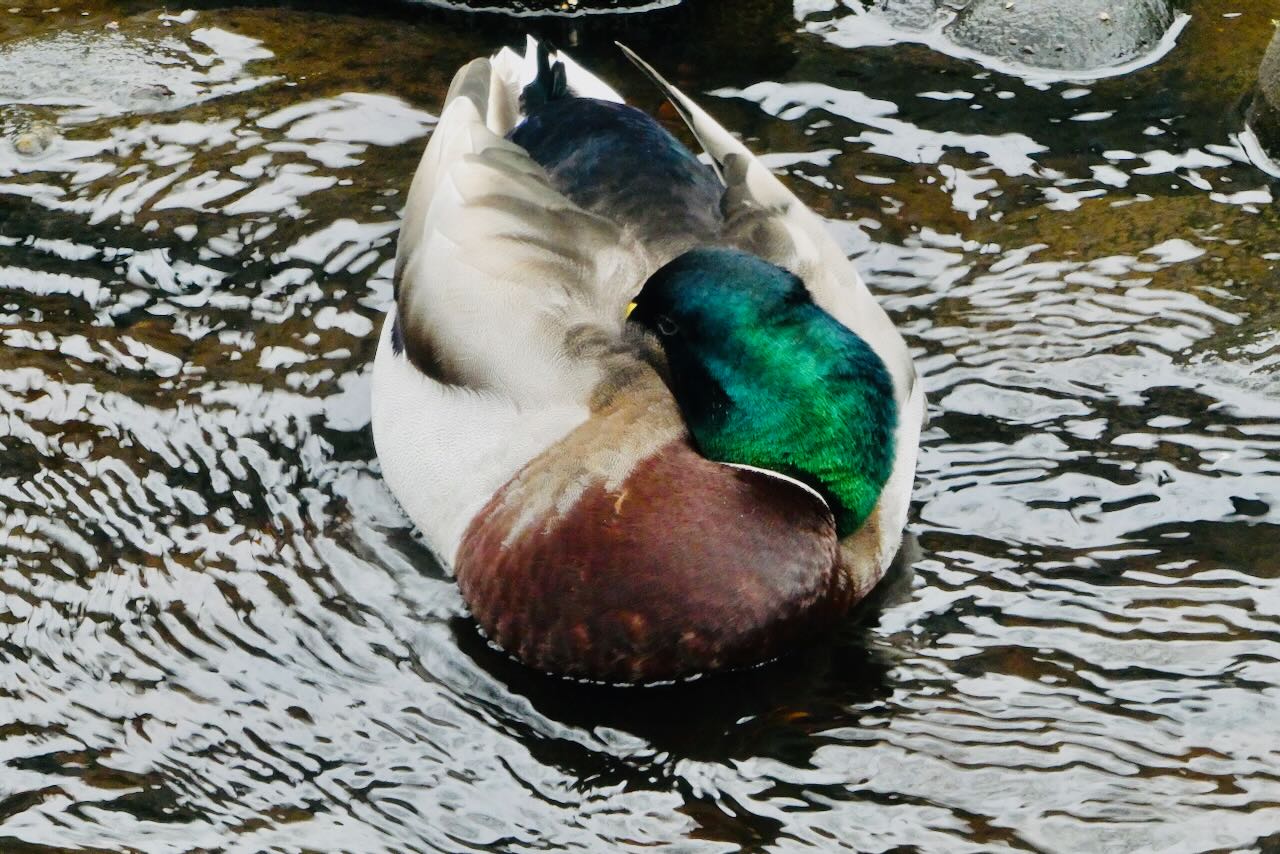
This is, pretty much, the attitude I affected for most of the day. The weather was grim, and if it counted as ‘nice weather for ducks’, well, he’s doing his best to ignore it.
This is, pretty much, the attitude I affected for most of the day. The weather was grim, and if it counted as ‘nice weather for ducks’, well, he’s doing his best to ignore it.
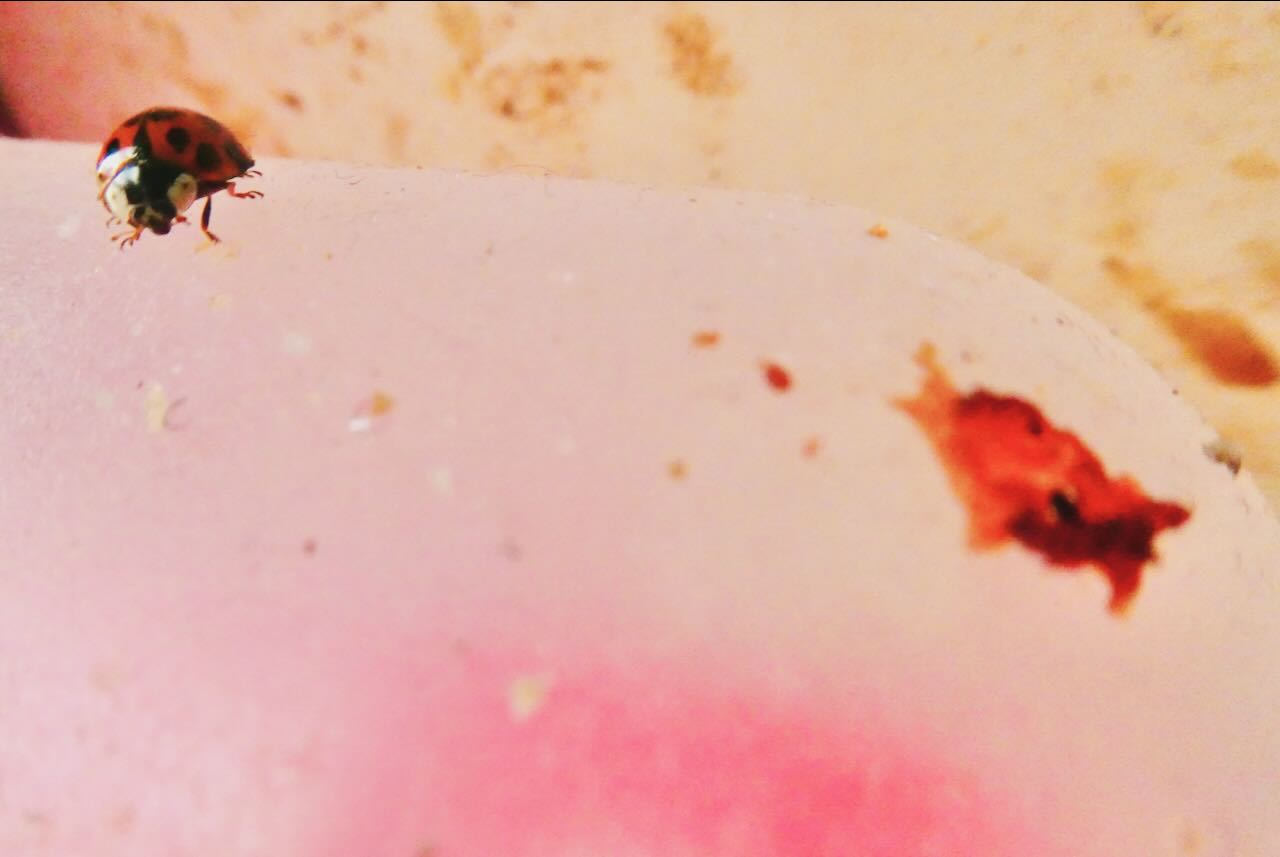
This ladybird first turned up on Wednesday in my home office and might have made that day’s shot — I got a reasonable one of it sitting by the Mac — had the cock-up at the football not happened. It then hitched a ride downstairs on a tea mug; I noticed it miments before it would have got bunged in the dishwasher, so saved its little ass from an unpleasanr death and left it sitting in one of our kitchen’s grimier corners.
24 hours later I saw it again: surely the same one, as it had barely moved. Still sluggish from waking up after the winter, I guessed — except then it sort of wriggled a bit and dumped this crust of old carapace onto, as it happens, the side my plastic lunch box. At this point I went and got the camera. And captured what might be a look of slight disdain: ‘now that stupid thing has gone I can grow a bit more and get back to terrorising aphids’. Fine by me: who wants greenfly in the house anyway. Have a good spring. mate.
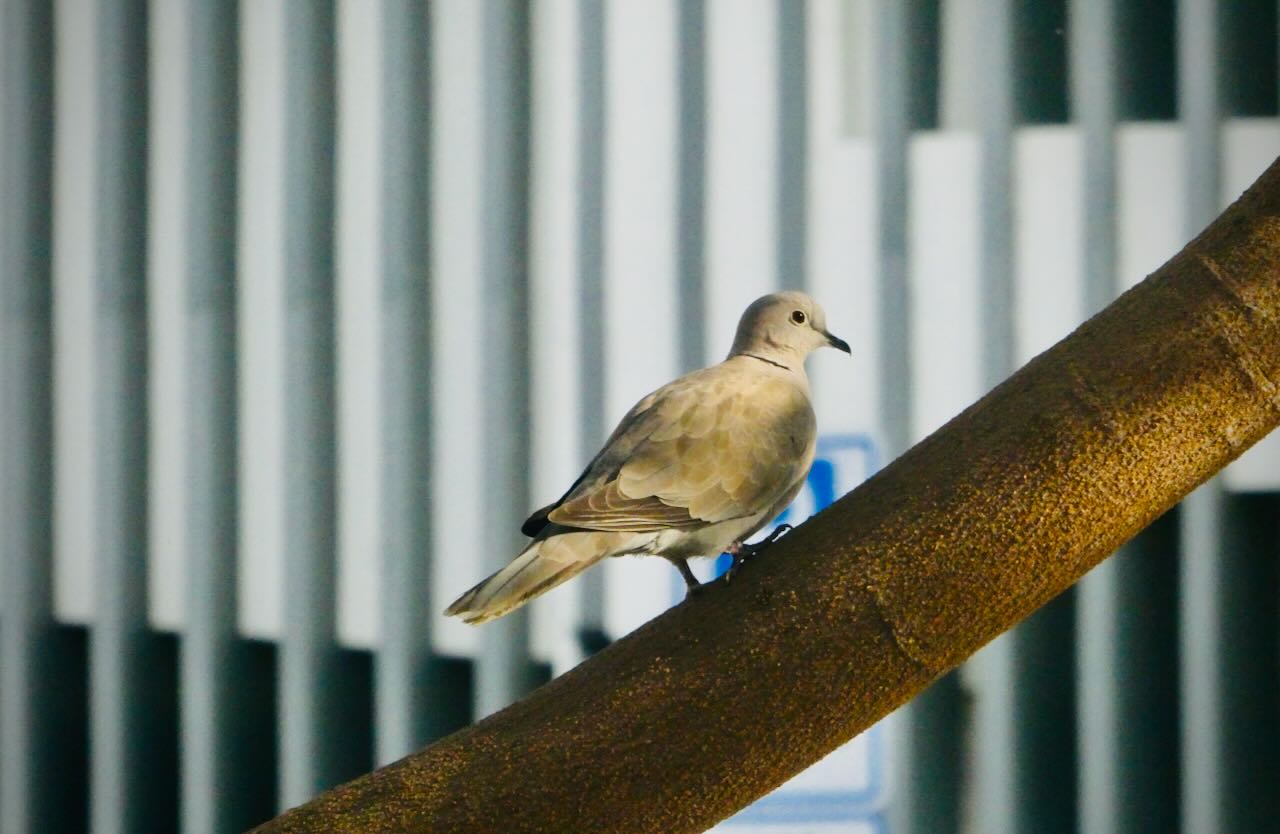
Last day in Dubai. Taking a picture of attendees at the course I’ve been teaching on while here (undepicted…) there was a frisson of excitement as I pulled out my ‘vintage’ compact camera, as if usage of such things is simply anachronistic in 2026. I have tried taking photos on the phone, though, and it just doesn’t work as well when it comes to zoom and focus. I doubt this pic could possibly have been taken on a phone, not the combination of detail in the foreground and the soft-focus of the background, not from the distance at which I was standing, anyway. And it’s that combination that I like here. When this camera finally does die — and it won’t be long, I predict — I will try to get another one. And another, until we’re all so anachronistic that we’re not here any more.
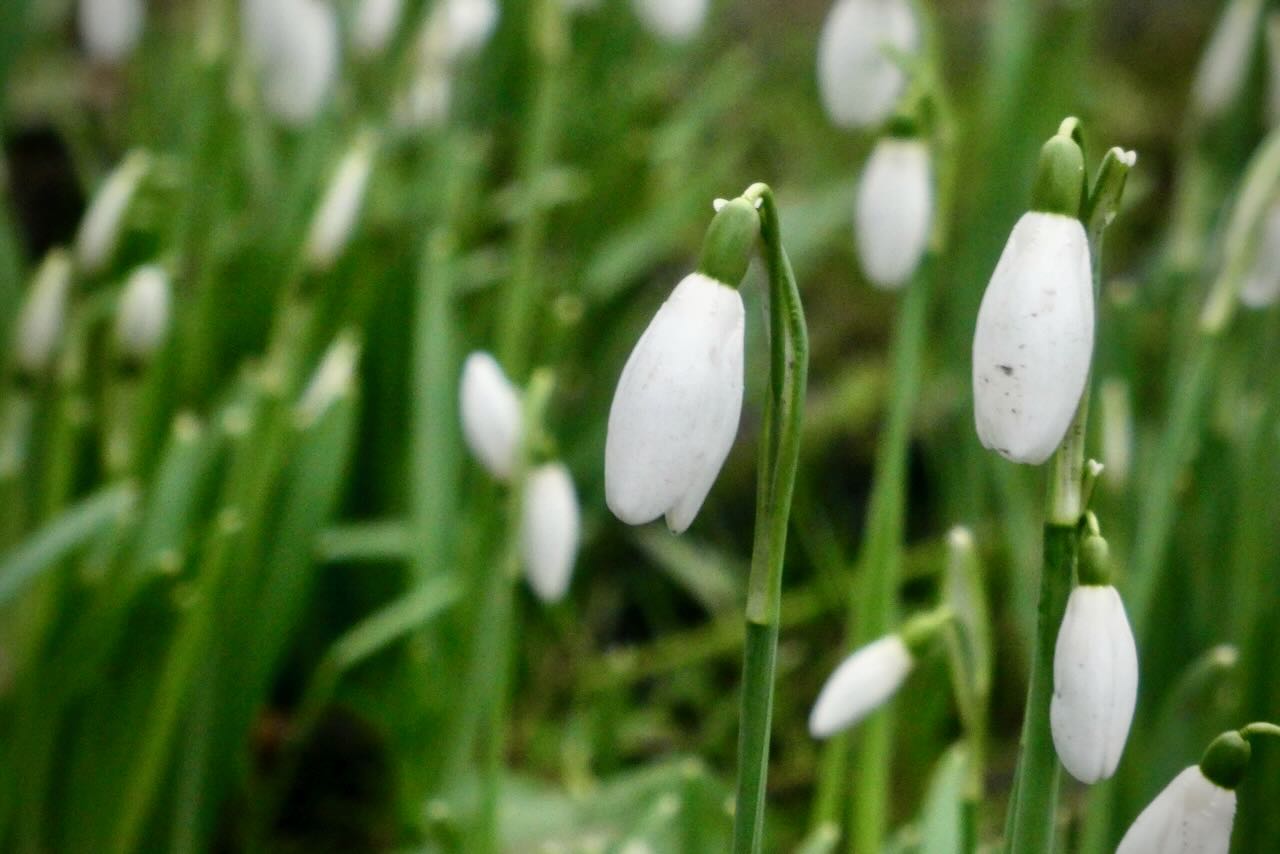
The snowdrops always come first. Earlier than usual? Perhaps, but not excessively so, and they are sitting in a nice, sheltered spot. This is not some rural woodland though; in fact these are on the uni campus, just next to the Roscoe building.
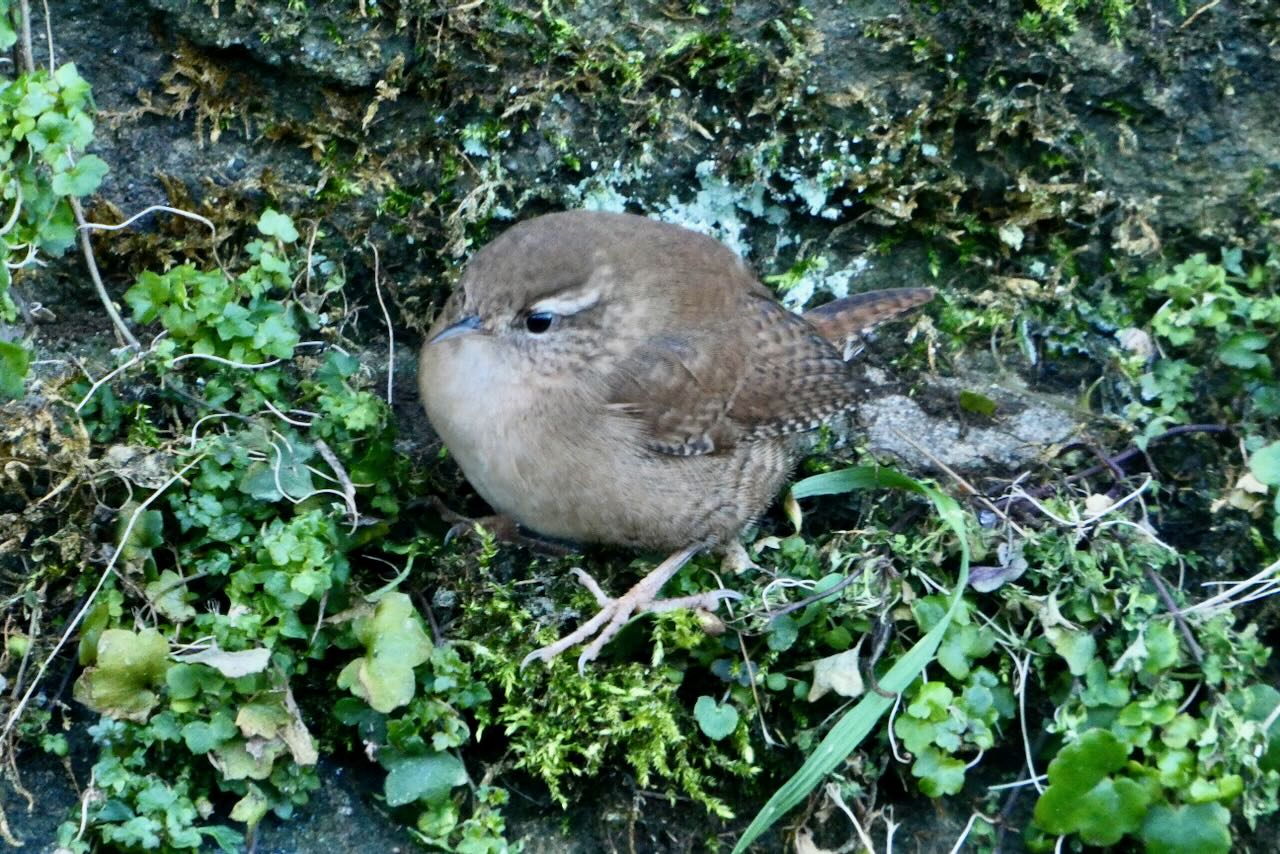
Along the stone retaining wall of Hebden Bridge railway station grow substantial patches of moss, and this little fellow was hopping along and burrowing into every little bit of it this morning, in search of food, unconcerned by my relatively nearby presence and far more bothered about staying warm on a cold winter’s day. Look how fluffed up its feathers are. I hope it sees out the winter.
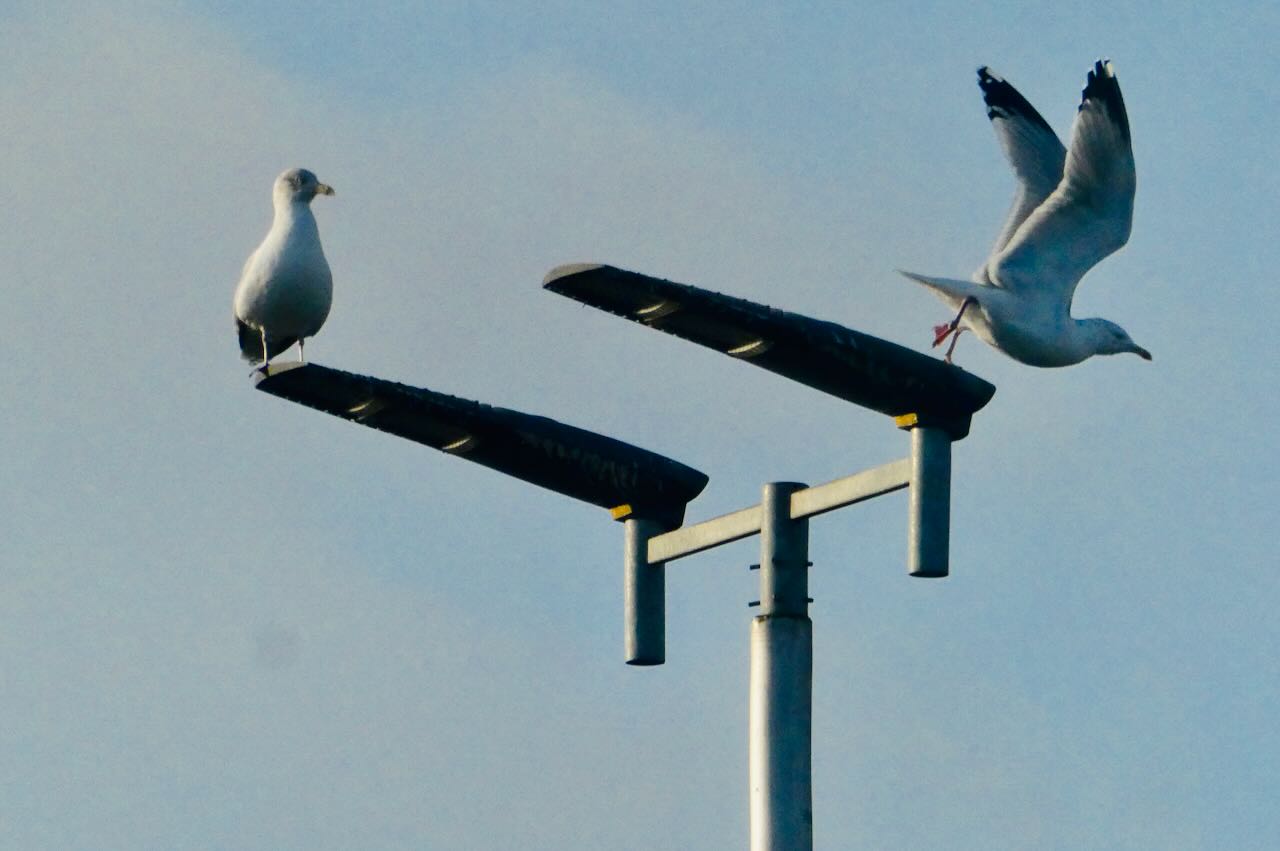
“Hi Bob. Good pickings today, don’t you think?”
“Definitely. Must be all those people driving back from their Christmasses in Scotland. Ahh… look, I see an abandoned Kit-kat over there.”
“Sure — see you later….”
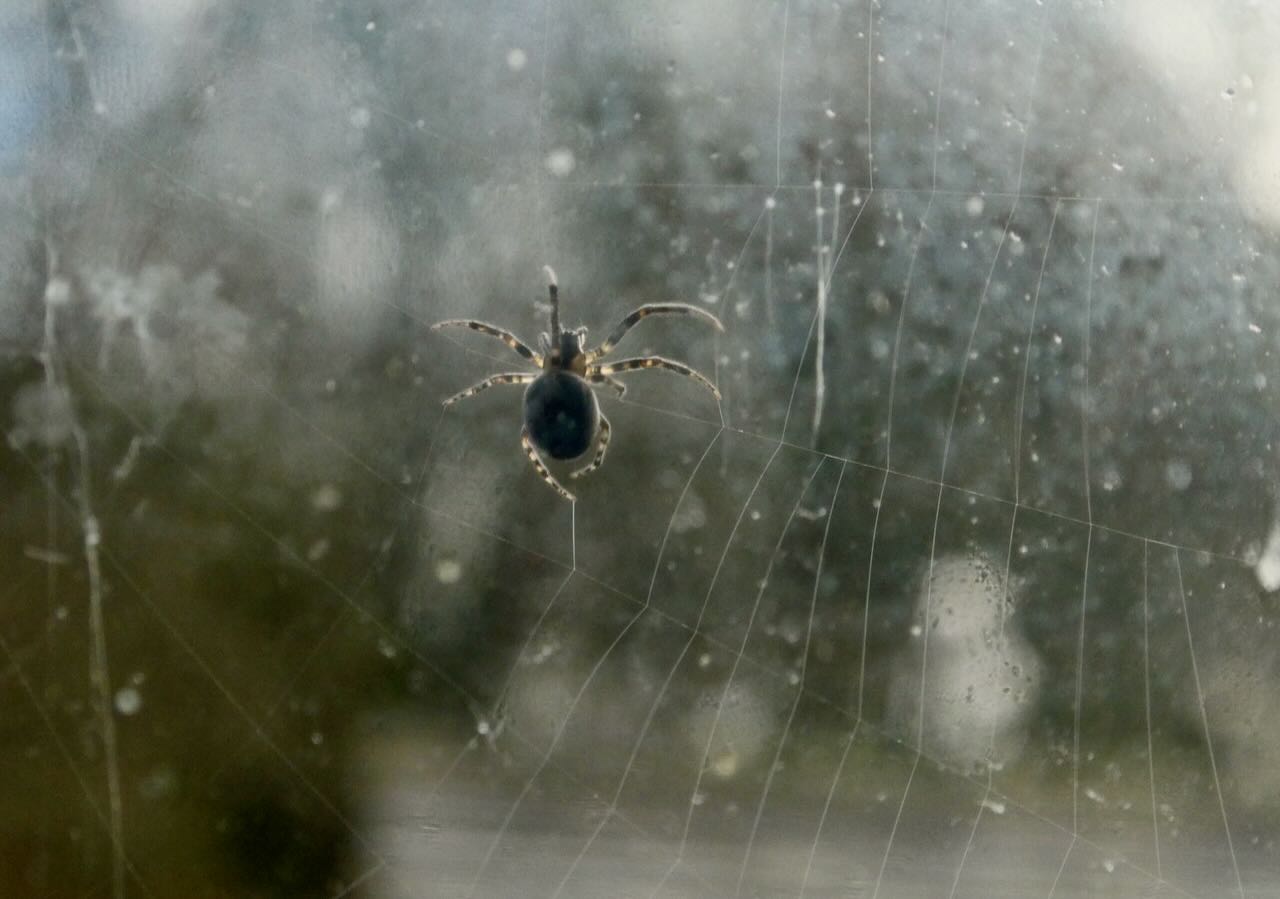
This spider was not a big one, but its web was expansive enough, and as you can see, it’s still hard at work with the building. What marvellous creatures these are: there are many species which build some kind of dwelling, of course, but can’t manage it purely with goo extruded out from their bodies.
However, you can see that it’s working on the outside of a rather grubby window (the kitchen one, as it happens). By the evening, evidence (like, a bill on the doormat) then suggested our window cleaner had been round on one of his seasonal visits and all this was nowhere to be seen. I bet the spider was substantially pissed off, I know I would have been.

I believe these clusters of bright and, definitely, orange berries are firethorn [genus Pyracantha] — doubtless someone will correct me if I am wrong. A whole slew of them have grown to cover the fence outside the Ellen Wilkinson Building, anyway. Valuable winter bird food, apparently.
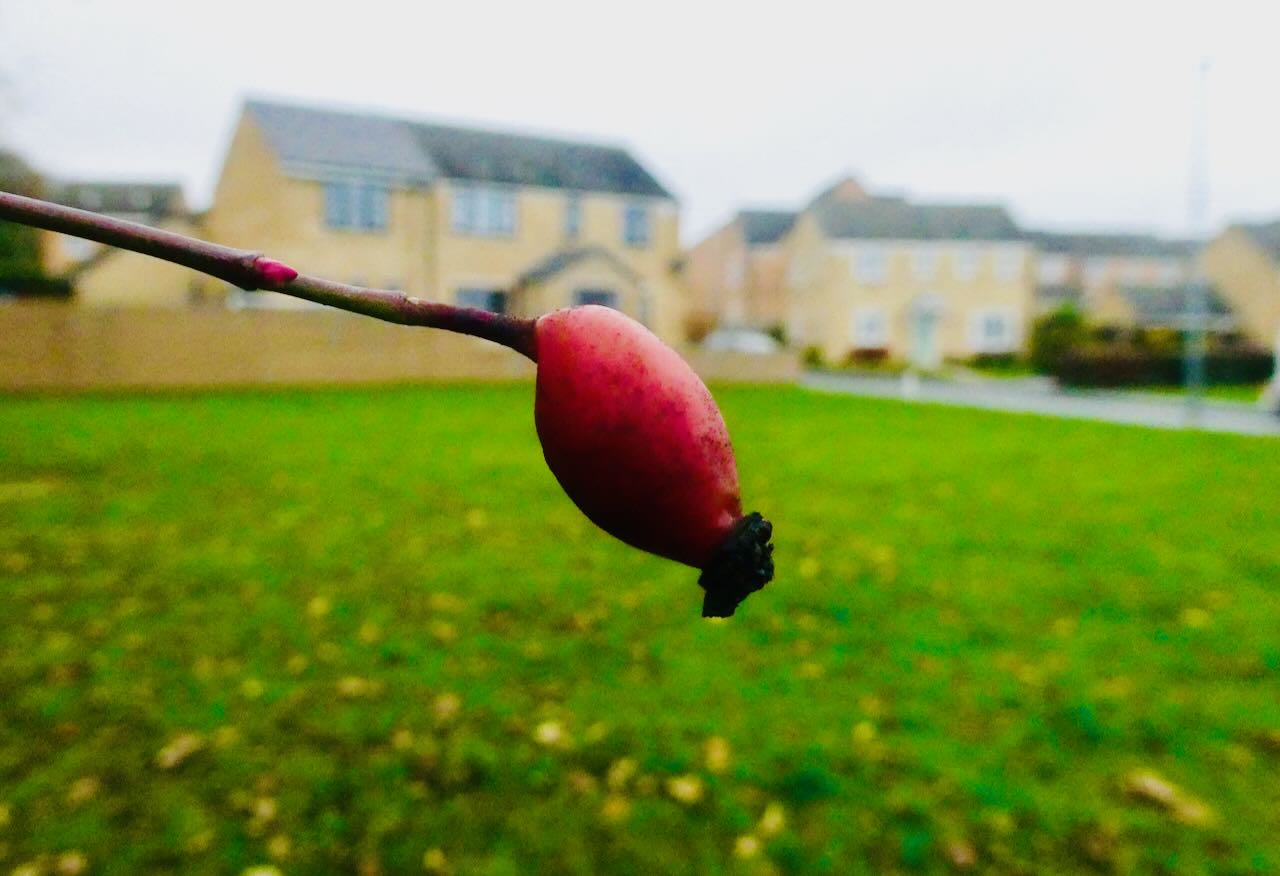
There have been a couple of exceptions — namely 2018, when I was in Germany, and 2021 on St Helena (and in 2019 I was about to go to Indonesia but not quite yet on my way) — but the 22nd November is not usually a date on which much happens. I find this a depressing, enervating time of year to be honest. Everything’s in decline yet we are still weeks from the turnaround point at the solstice. This rose hip (and feel free to correct me if I’ve got the botany wrong) is still putting in an effort, I guess, but most of the rest of nature has kinda given up. I know how it feels.
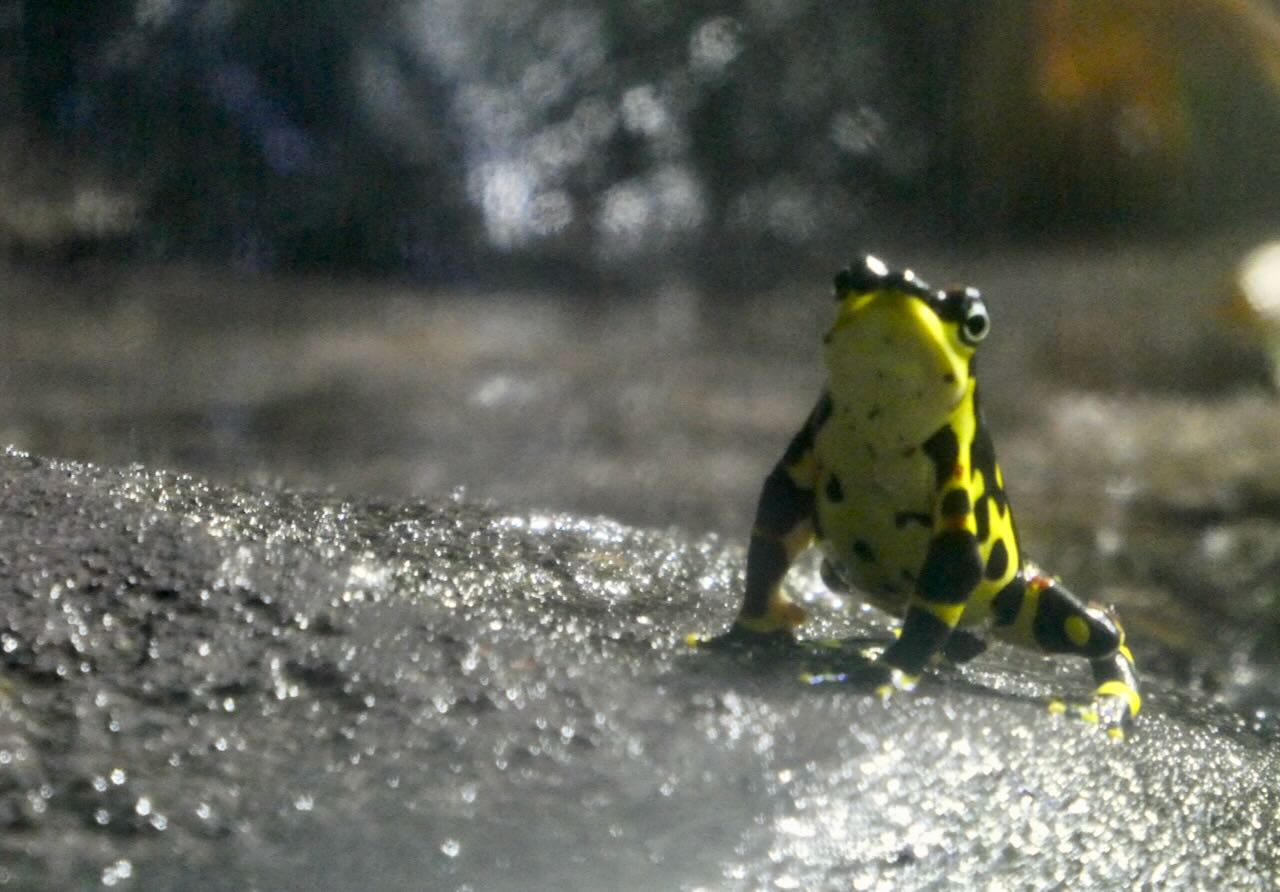
This little feller is, at most, two inches long but what does he care? In the wild these kinds of frog accumulate enough poison in their skin to kill a dozen people. But apparently they acquire it by eating certain types of ant and other insects, and when fed a different diet in captivity, the toxicity is lost. Maybe he doesn’t know. If he did, would he care? (Taken in the Manchester Museum’s vivarium, where saw some of his cousins before, in 2014.)
 Being 42