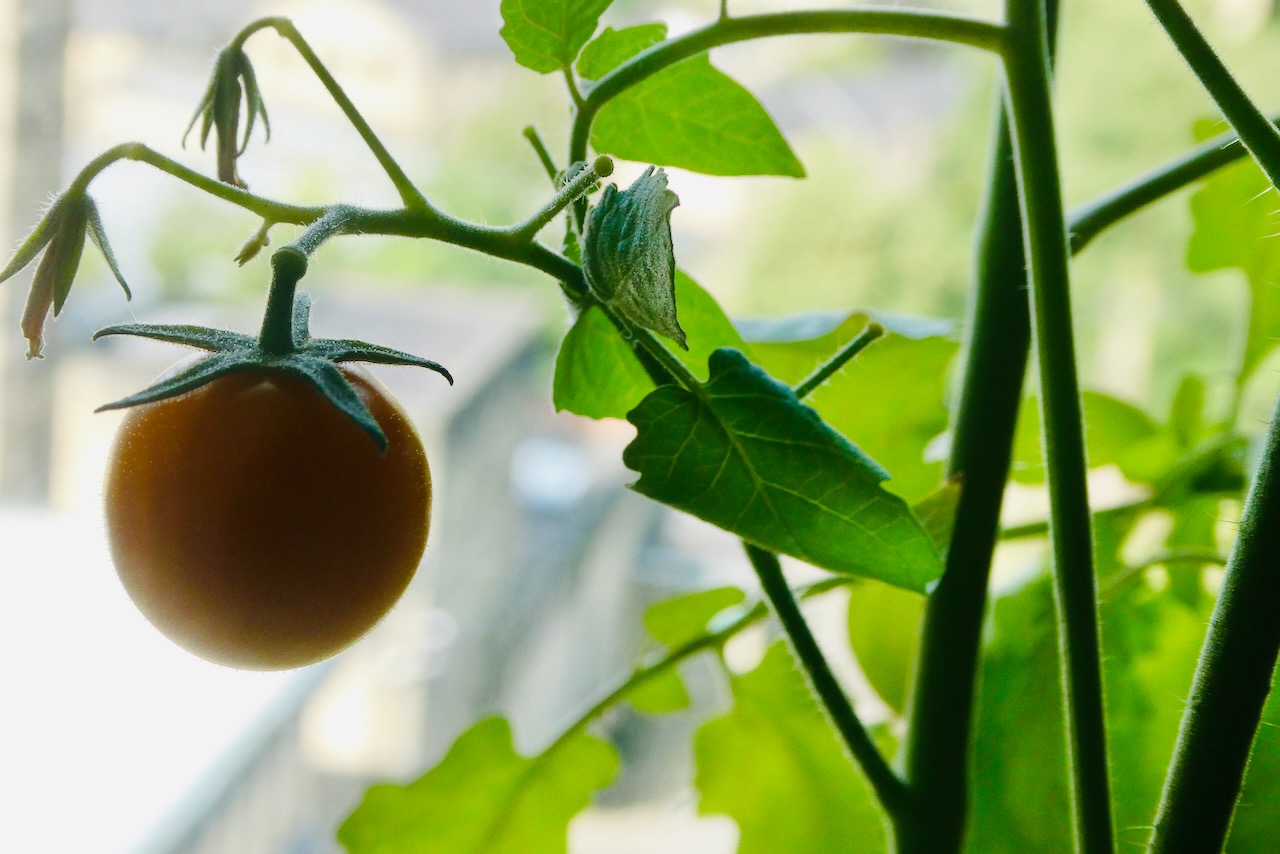
So, at least a few of the tomato flowers (as pictured on May 23rd) have made an effort: although don’t imagine that this fruit is very big, nor that there are very many of them. This agriculture lark is not straightforward…
In John Wyndham’s The Day of the Triffids is presented the ultimate invasive species. So hostile is it to human life that following a public health disaster the plant simply takes over. I believe some people get to live out a siege future on the Isle of Wight at the end of the novel. It ain’t happening quite so quickly with Himalayan Balsam, but nevertheless I do believe that we are in trouble. There seems to be more of it than ever, this summer.
I’m sure there are worse things to be remembered for, and less appropriate ways of memorialising a loved one. Those whom Barbara left behind are hopefully gratified to see this being properly used. (That is an actual squirrel, in case you were wondering.)
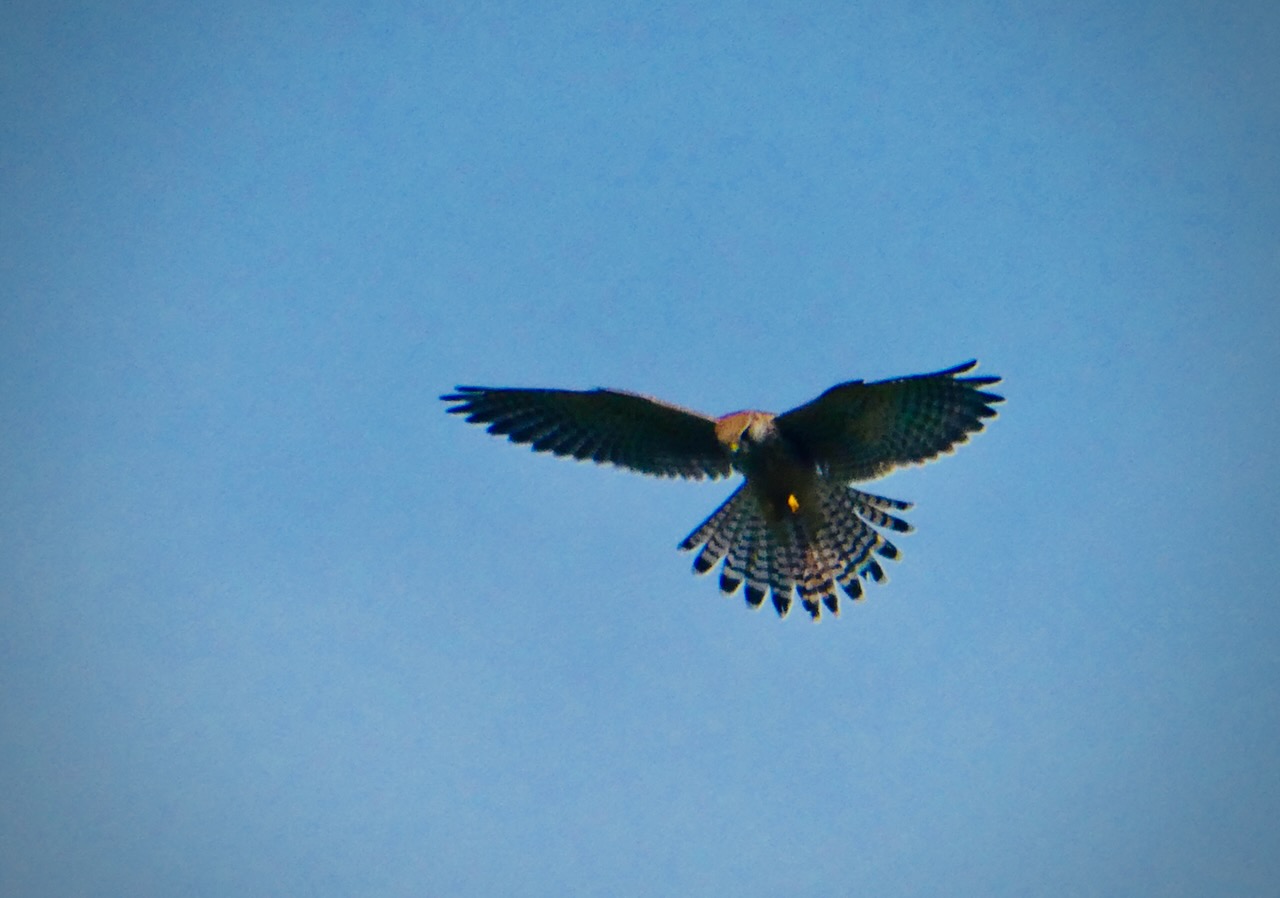
Went on a walk that was neither particularly scenic nor particularly straightforward, but it did have one saving grace: this beauty hovering over the grass of Cutacre Park, between Bolton and Wigan. What must the mouse feel? Does it know its hunter is up there, waiting for it to poke its head out of hiding just for that one crucial second?
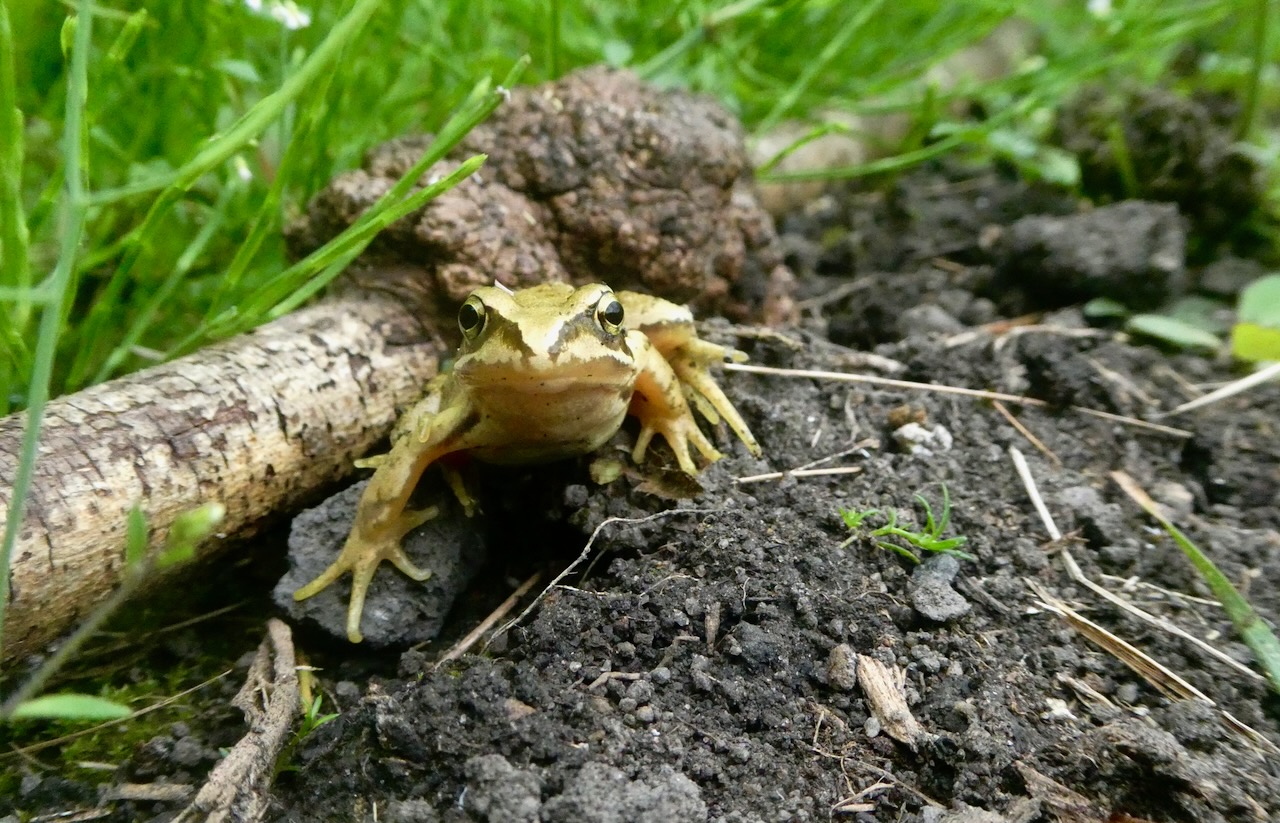
Disturbed while I was weeding the garden, this little fella deigned to pose for its close-ups, but its purposefully outstretched front leg suggests it is definitely seeking to move on and continue its own day.
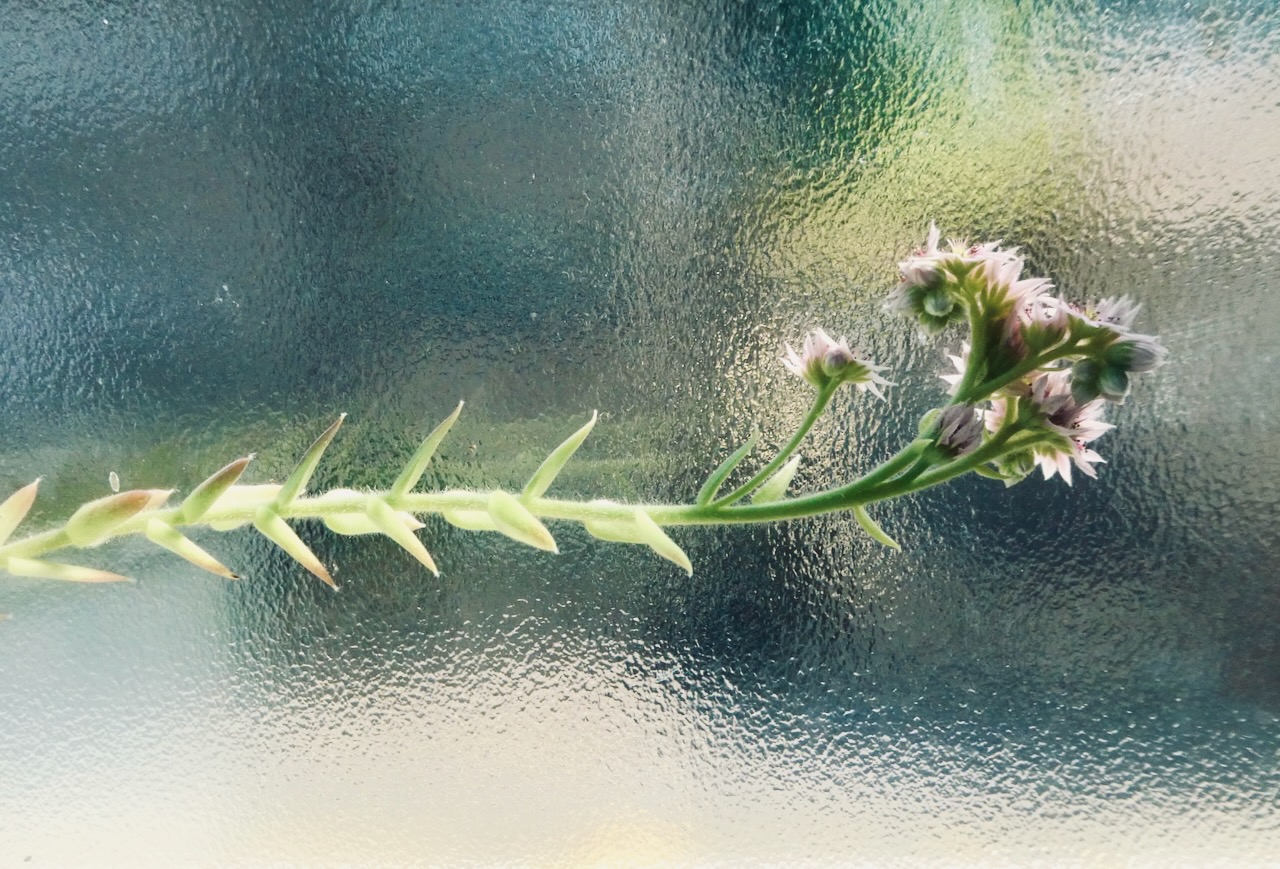
Whatever species of plant this is, it has been sitting, quietly doing very little, in a pot on our window sill (in the lavatory, as it happens) for a good decade or more. This year, without any special prompting, it decided to stretch out this long tendril and flower. Perhaps its time had just come. I doubt it’s been coaxed out of stasis by glorious summer weather, ‘cos we haven’t had any.
Herb Robert being the common name of Geranium robertianum; which grows in relative profusion in a certain beer garden in Hebden Bridge town centre. Well, there’s no football on Saturdays in June, I need something to look at.
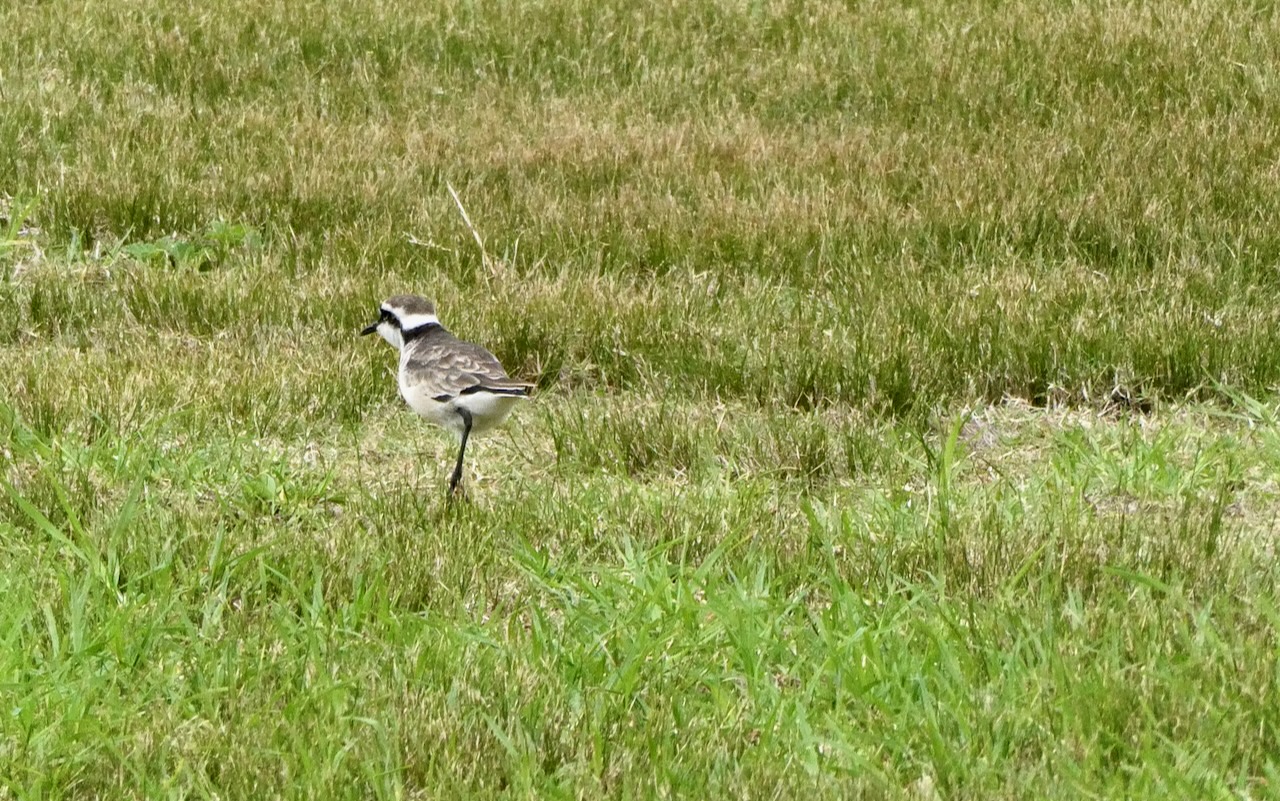
The wirebird — officially, the St Helena plover (Anarhynchus sanctaehelenae) but nobody calls it that — is the one species of bird that is endemic to St Helena. That is, it is found nowhere else. It is very much the symbol of the island, appearing on its flag. In my three visits here so far I had never seen one, but there it is. This is quite a coup, as this is one of the planet’s rarest birds; the latest census counted about 640 of them, so this single one is 0.15% of the entire global population. Birdwatchers, eat your heart out.
Anyway, that’s it for St Helena — this time. But, I will be back.
The colony of Muscovy ducks that used to live around the marina in Hebden Bridge, and peaked at about six individuals, seems to have disappeared — but members of the species have managed to find St Helena, in the middle of the ocean. Why does the one on the right not have the same facial bulges as the other? I suspect, just because it’s younger. They grow their faces over time. As do we humans, of course.
They did seem like they were quite keen on the idea of making more of themselves, but I moved on before they got down to anything. Apparently these are white-spotted fruit chafers (Mausoleopsis amabilis). Apparently the St Helena Research Institute (hi Becky) would like to know exactly where they were spotted: so I tag these as residing half-way up the slope between the lower Munden’s battery and the one at the top of the hill, just above Jamestown. Ecologically, they’re not supposed to be here, but that is, sadly, true of a great many species, both animal and vegetable, that are now found on St Helena.





 Being 42