Tuesday 30th April 2024, 10.50am (day 4,632)

I’m no botanist but banyan trees aren’t difficult to identify, with their multiple trunks and more on the way. This is the blog’s second, after the one seen in Brisbane (with the wife) back in 2013.
I’m no botanist but banyan trees aren’t difficult to identify, with their multiple trunks and more on the way. This is the blog’s second, after the one seen in Brisbane (with the wife) back in 2013.
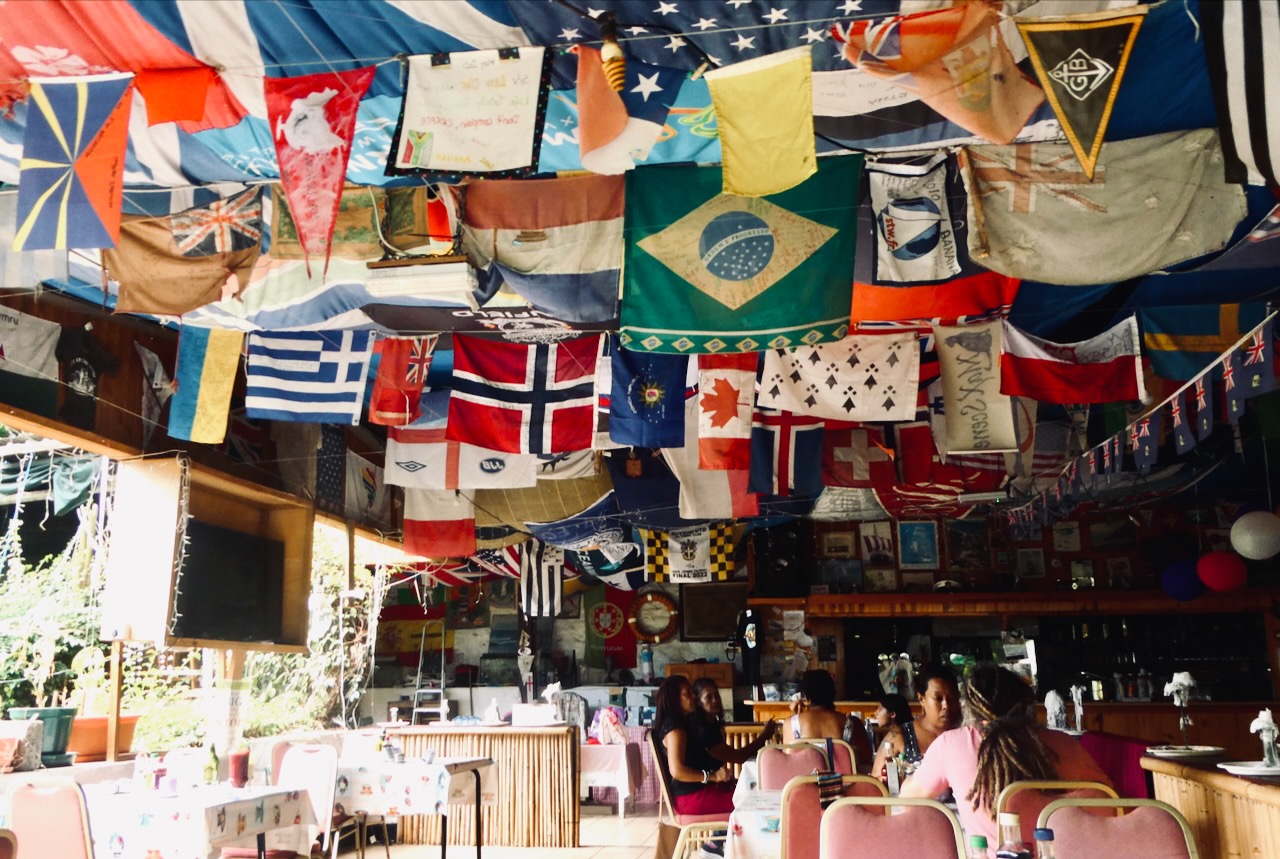
Anne’s Place in Jamestown is a St Helena institution and is the go-to spot for tourists and locals alike. Many of the former have, down the years, contributed the flags that now obscure its corrugated-iron ceiling. Some of these are fabulously obscure; the one with yellow and black checks near the bar proudly commemorates “Sutton United FC: Papa Johns’ Trophy Final 2022”. To not only have brought such an object all the way to St Helena, but to have, presumably, done so specifically to donate it: that’s commitment.
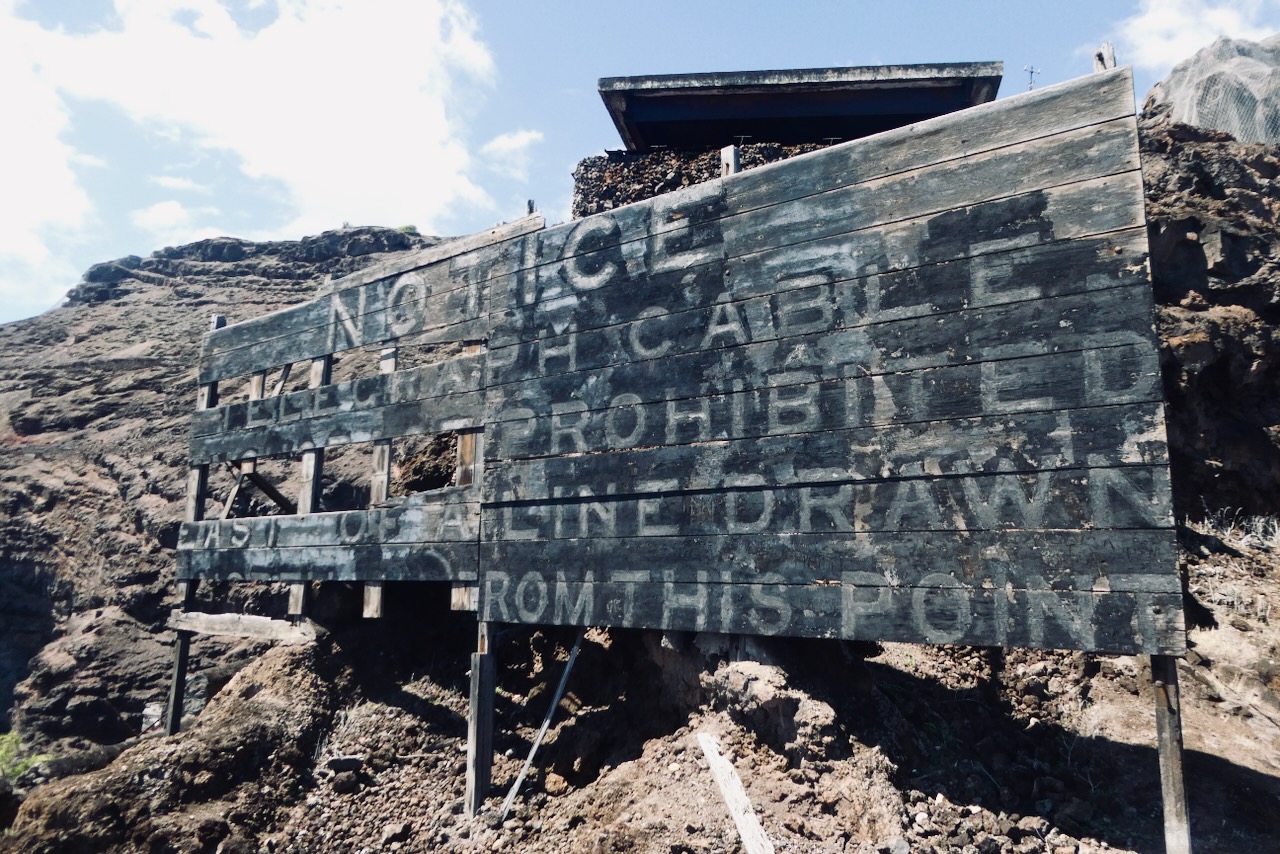
Telecommunications is why I have been coming to St Helena these last few years. To the left of this sign, down in the valley of Rupert’s Bay, the Equiano undersea cable now makes landfall on this little island in the middle of the South Atlantic. But it’s not like this is the first time ever that St Helena has been connected to the global network. This sign was made to be visible to ships approaching Jamestown and while I’m not sure about the exact missing words it’s basically a warning not to land or drop anchor east of this point because of the old telegraph cable that also made landfall at Rupert’s. When the Boer War broke out in 1899, within six weeks this cable was laid to connect the island to Cape Town. This compares highly favourably with the (at least) seven years that it took from the original application for the Equiano funding, to its half-hearted activation in October last year — giving the truth to the joke (made by an MP in Westminster in 1994, though he might have been quoting) that ‘The big tragedy of St Helena is that no one wants to invade it: if they did I am sure that overnight there would be much better ways of communicating with it’. And doubtless he was right.

So here I am back on St Helena, for my third visit — but not the last. Whereas, up until 2017, everyone arrived at Jamestown where the boats dock, nowadays, unless you are on a yacht, first sight of the island is always the airport, one of the more dramatic approaches in world aviation, I am sure. Behind is Great Stone Top, which I climbed in January last year.

Although I will fly back over the country again tomorrow, this was my last morning in Namibia. It gets added to the growing list of countries that I have visited that I hope to return to someday — but lack of opportunity and advancing years means I may well not (let’s include, at least, Fiji, Vietnam, Tanzania and New Zealand alongside it). Either way, it’s been a good two weeks. Here, I am being driven back to Hosea Katuko International Airport — which does not seem to lie particularly near Windhoek, and on arrival, stands strangely alone in countryside like this, typical of the country.
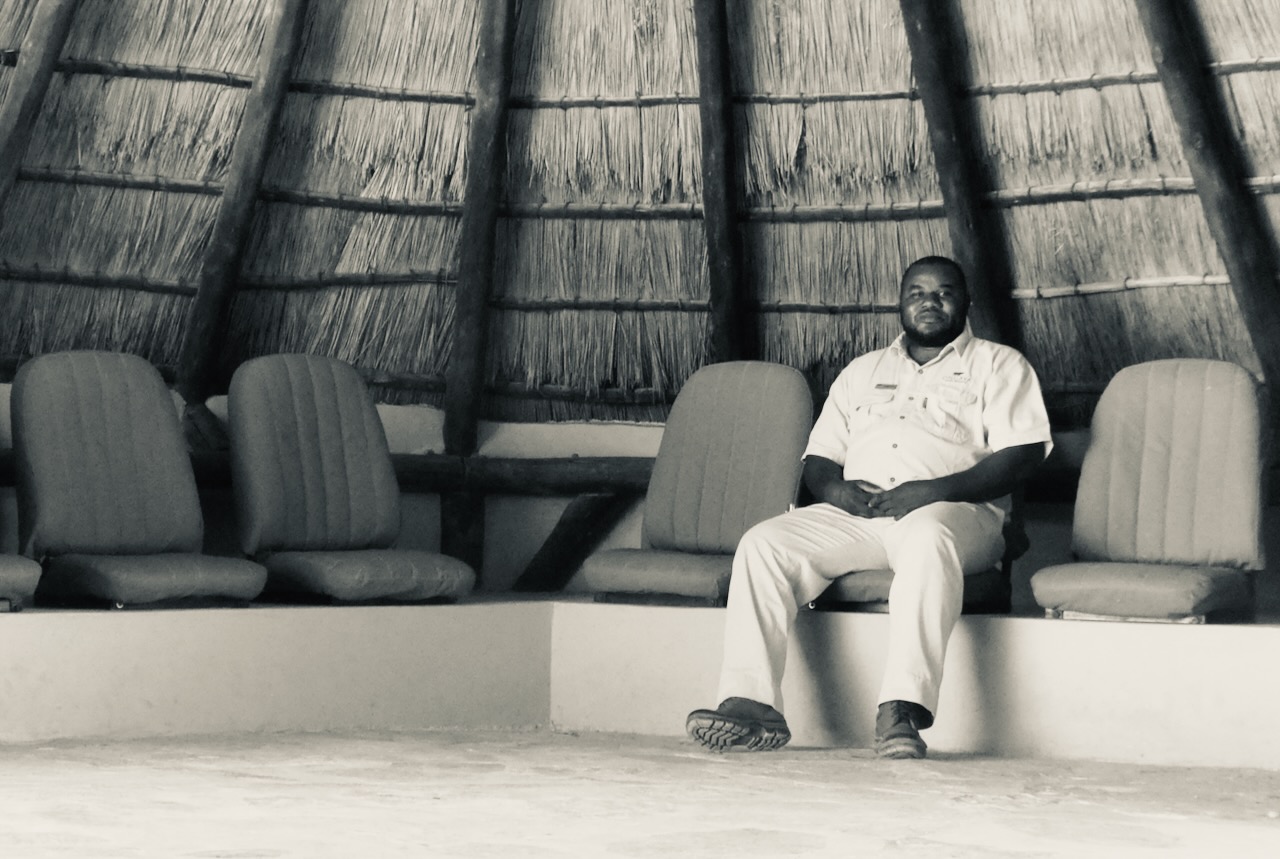
Since I left Windhoek there have been only landscapes and fauna depicted on here — so on my last full day in Namibia let’s pay some credit to the fine people who have welcomed me in this country. My three guides have been particularly notable: Johannes in the Namib Desert; Veondjavi in Damaraland; and for the last three days, Samuel here in Ongava. The latter is seen here waiting with me for my plane to arrive: this is, in effect, the departure lounge of the Ongava airstrip.

I have spent the last three days in Namibia’s, and one of the world’s, largest nature reserves — the Etosha National Park, so it’s understandable that wildlife shots have featured. There have been many species that I have seen and managed to photograph but which, due to the strict one-photo-per-day rule, have not made it on here, and today you might have had white rhino; elephant; kudu; and the cute, teddy-bear-like rock hyrax. But I am going with these springbok simply because of the fabulous golden light in which they are bathed. My penultimate full day in Namibia.

I do not know what you call black-and-white striped pedestrian crossings in your country, but hopefully this associative pun works very well for UK readers. Taken in the Etosha game reserve.
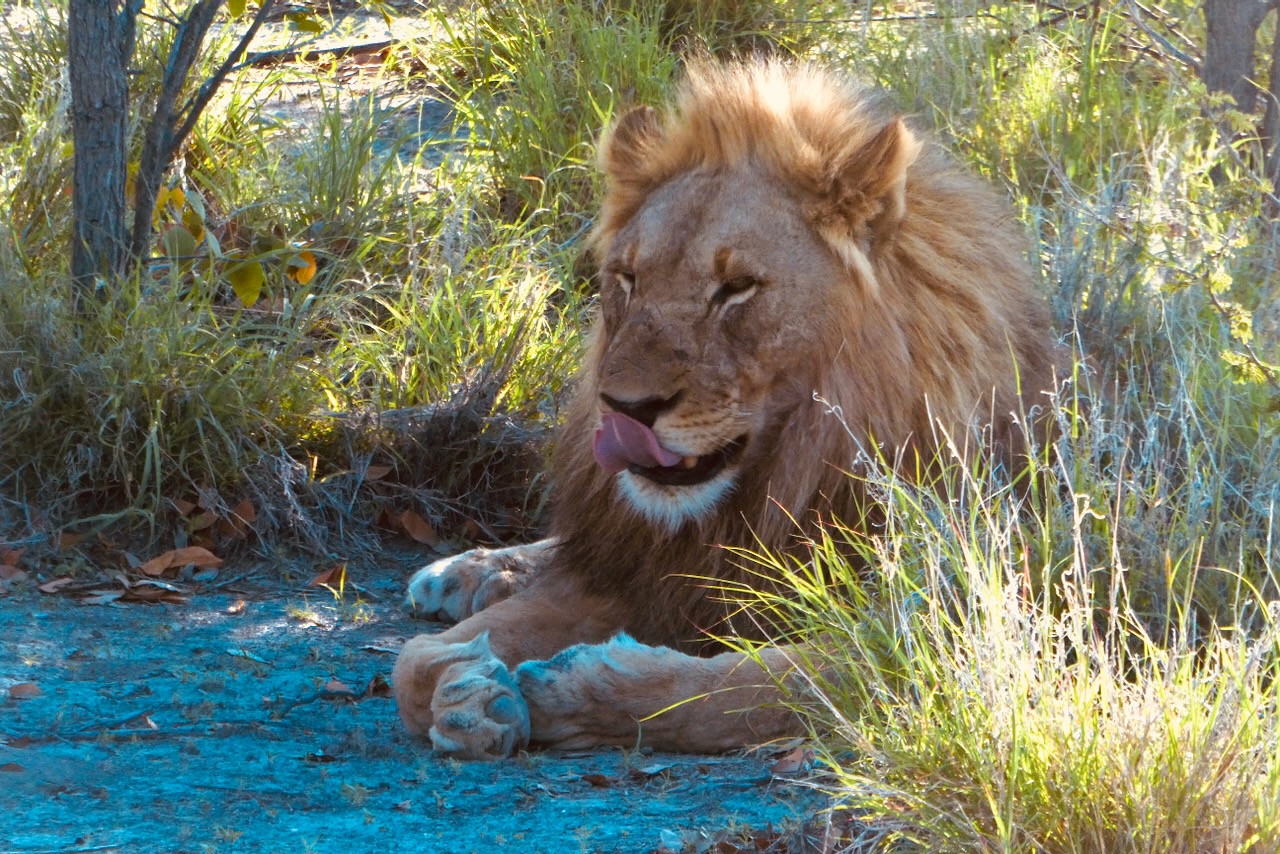
I was about 20 feet away from this magnificent creature this afternoon. There was plenty I was thinking of saying in this commentary but, mostly, I’ll let the picture speak for itself. ‘Awesome’ is an overused word but here, it really had meaning.
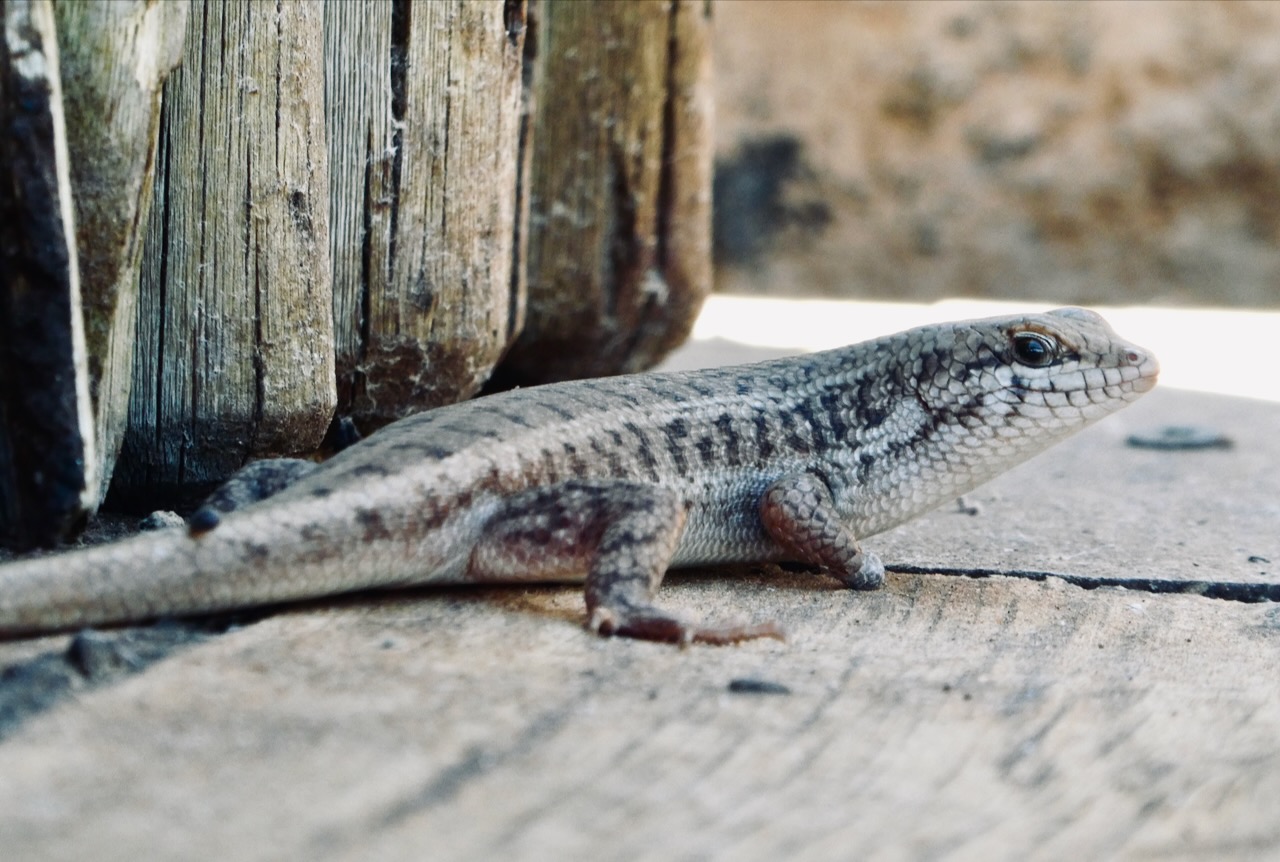
This chap definitely looks happy, and I know why — because it has just wolfed down a huge dragonfly that was about the same size. The whole thing, apart from a discarded wing or two, went down in about ten seconds. Had I been quicker with the camera (which was a few yards from me at the time as I’d just got out of the swimming pool) you might have seen the feeding, but it was happy to hang around and wait for me to do its close-ups.
Biology note: the defining characteristic of the skink (as opposed to other types of lizard) is apparently their stumpy little front legs, obvious on this shot. This is the second skink to appear on here down the years, after the one I saw in Saigon in 2019.
 Being 42