Tuesday 30th April 2024, 10.50am (day 4,632)

I’m no botanist but banyan trees aren’t difficult to identify, with their multiple trunks and more on the way. This is the blog’s second, after the one seen in Brisbane (with the wife) back in 2013.

I’m no botanist but banyan trees aren’t difficult to identify, with their multiple trunks and more on the way. This is the blog’s second, after the one seen in Brisbane (with the wife) back in 2013.

I have spent the last three days in Namibia’s, and one of the world’s, largest nature reserves — the Etosha National Park, so it’s understandable that wildlife shots have featured. There have been many species that I have seen and managed to photograph but which, due to the strict one-photo-per-day rule, have not made it on here, and today you might have had white rhino; elephant; kudu; and the cute, teddy-bear-like rock hyrax. But I am going with these springbok simply because of the fabulous golden light in which they are bathed. My penultimate full day in Namibia.

I do not know what you call black-and-white striped pedestrian crossings in your country, but hopefully this associative pun works very well for UK readers. Taken in the Etosha game reserve.

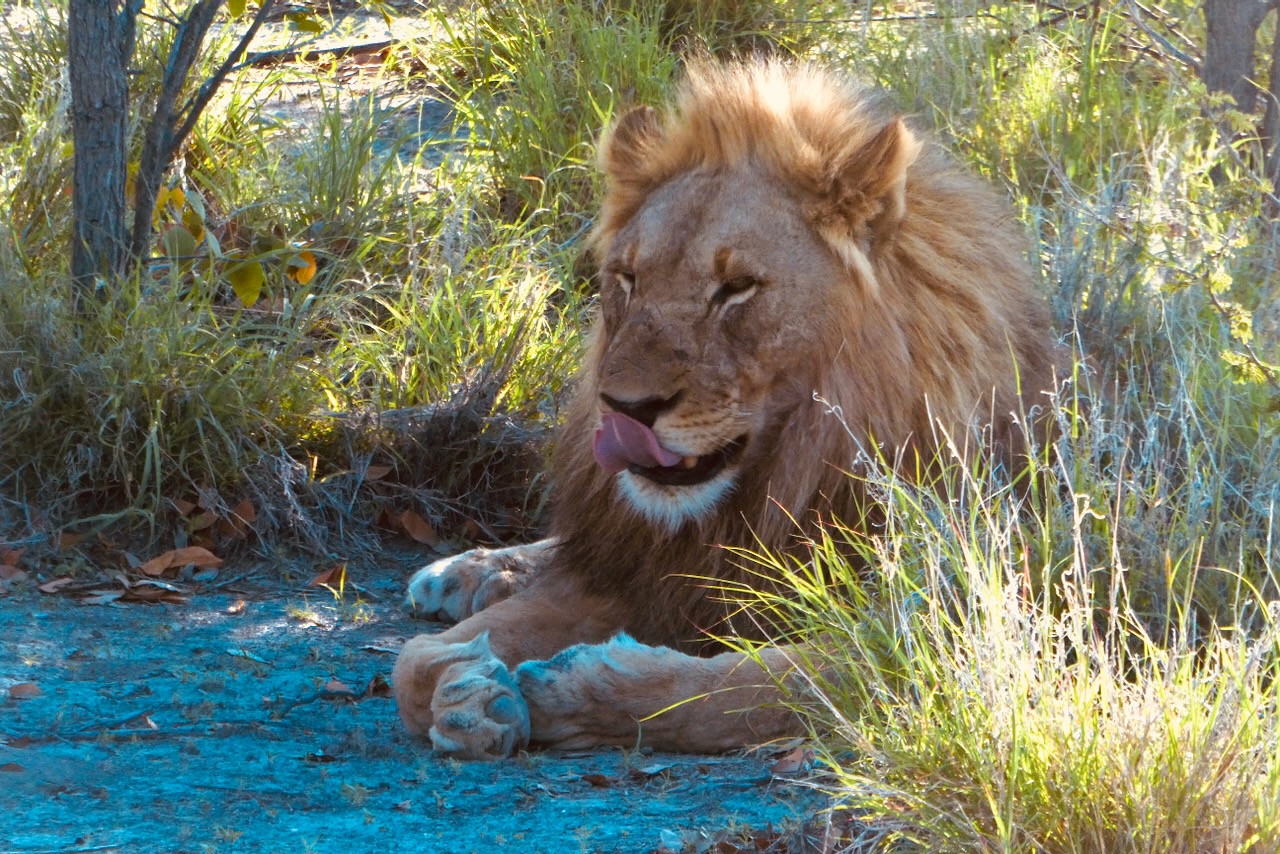
I was about 20 feet away from this magnificent creature this afternoon. There was plenty I was thinking of saying in this commentary but, mostly, I’ll let the picture speak for itself. ‘Awesome’ is an overused word but here, it really had meaning.

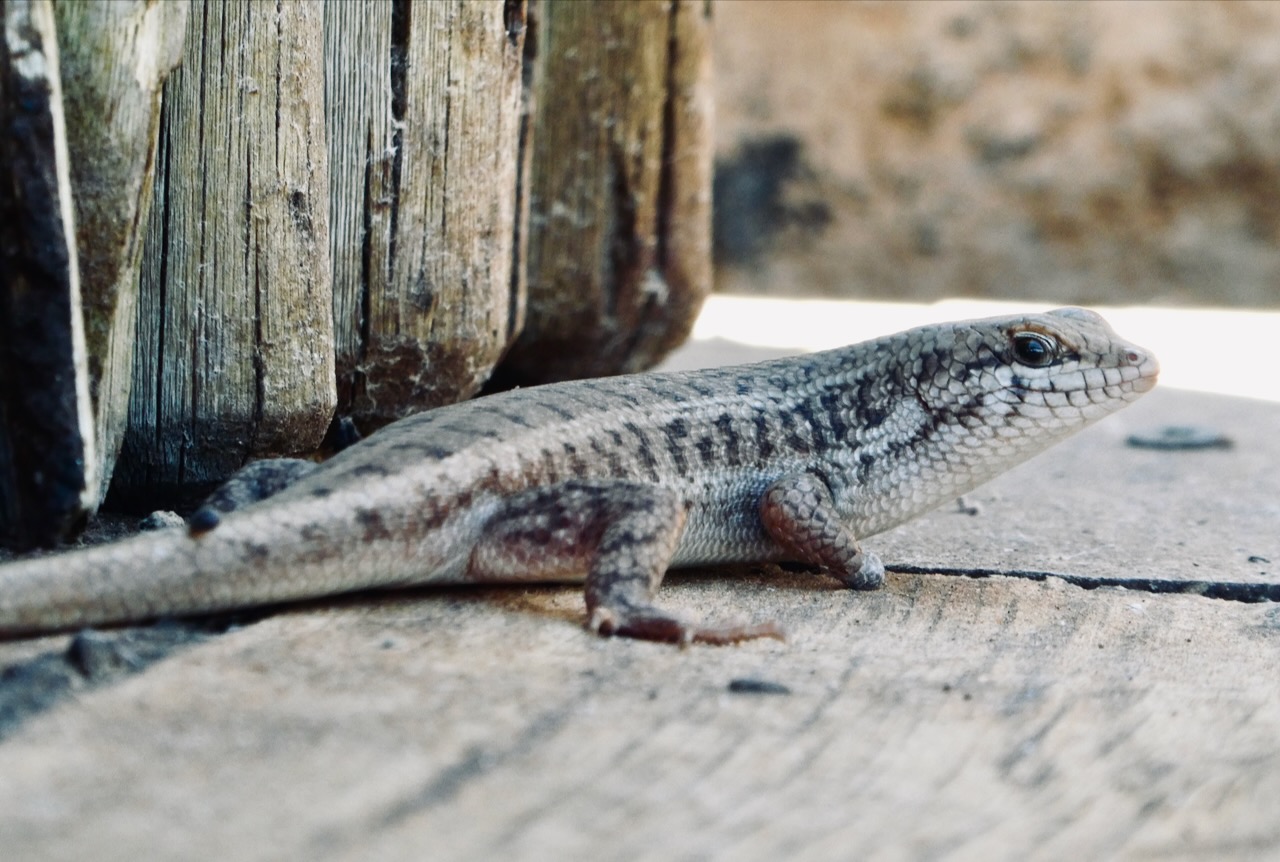
This chap definitely looks happy, and I know why — because it has just wolfed down a huge dragonfly that was about the same size. The whole thing, apart from a discarded wing or two, went down in about ten seconds. Had I been quicker with the camera (which was a few yards from me at the time as I’d just got out of the swimming pool) you might have seen the feeding, but it was happy to hang around and wait for me to do its close-ups.
Biology note: the defining characteristic of the skink (as opposed to other types of lizard) is apparently their stumpy little front legs, obvious on this shot. This is the second skink to appear on here down the years, after the one I saw in Saigon in 2019.

The dominant theme of the last few days has been sand, so it’s about time we had some local fauna on here. This is not only the first time I have ever seen flamingos in the wild, but, I am fairly sure, anywhere. Apparently over 200,000 of them live on Walvis Bay’s lagoon. This place is where I came in with Namibia, on the flight out to St Helena some 16 months ago (see this shot): compared to that, today’s picture is certainly fuller of life and rather pinker. Flamingos are pink — it’s the way they are — and they definitely seem to like each others’ company.

Goose couples like these are pairing up around the valley’s watercourses. Doubtless within a couple of months these two will be shepherding around little balls of golden fluff that, within a reasonably short space of time, will turn into hissing, crapping brutes just like their parents. But I guess that’s what human parents do too, right?

I forget exactly how much our plum tree produced last year but it was at least 20kg (or more than 44 pounds): its all-time record for a single harvest. It won’t do this again in 2024, simply because it never does have two glut years in a row. But the blossom’s out, at least.

After yesterday’s exertions I did not feel like going very far at all; like this mallard, I was content just to sit and watch the world go by, to be honest. (And tomorrow won’t be much different.)

My ability to summon a robin now does not even need to involve any digging. Just go and sit down in the garden for five minutes and he turns up anyway, just to check things out. With largely frozen soil at the moment, though, I guess he’s probably hungry. This may well be the same bird as depicted here or here: the photos are all taken in the same place (our allotment) and robins are territorial beasts.