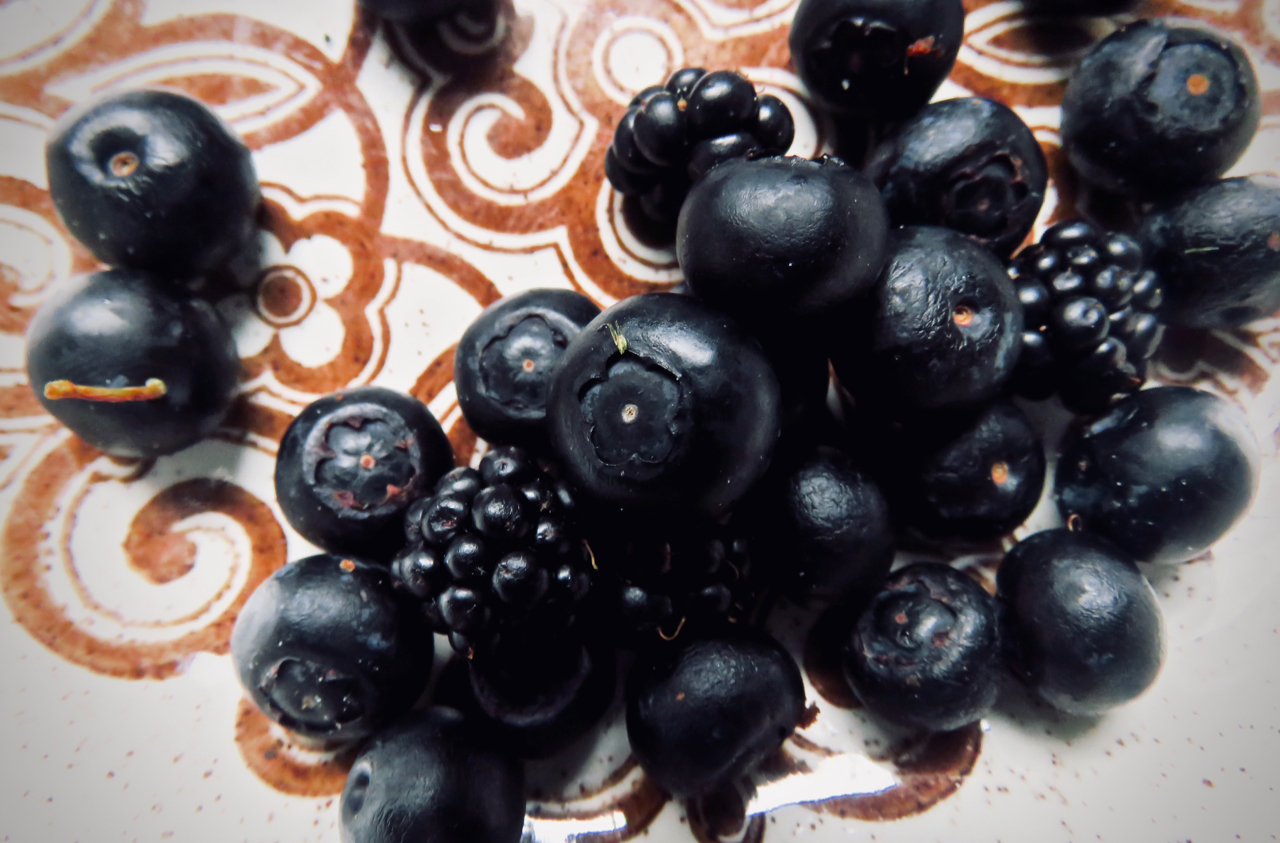
Vegetables sometimes grow in our allotment but in some years they don’t: it’s still not raining and 2026’s vegetable crop has been reduced to a few sad and scraggly-looking beetroot plants that may or may not have edible roots underneath them. But fruit: that, we can produce. After the loganberries and jostaberries, the next tranche of free food appears to be ready.
This was the product of less than an hour’s labour in the garden this morning, and there’s plenty more still up there. I know, global warming, climate change and all that, but I doubt a medieval peasant farmer would have complained about the weather round here in 2025. This has been, without a doubt, the most productive year since we acquired the allotment, thus in more than 20 years.
As it is my birthday tomorrow, with this picture I also reach 14 full years of photographs that document my doings on a daily basis. Meaning, as of today, this blog encompasses exactly one quarter of my life. There have been some times when I have felt the creativity waning, not just on particular, less interesting days but in a broader sense. But there were times like that back in 2014, or 2020, or whatever, just as there sometimes still are now. For now, I will do my best to keep it up.
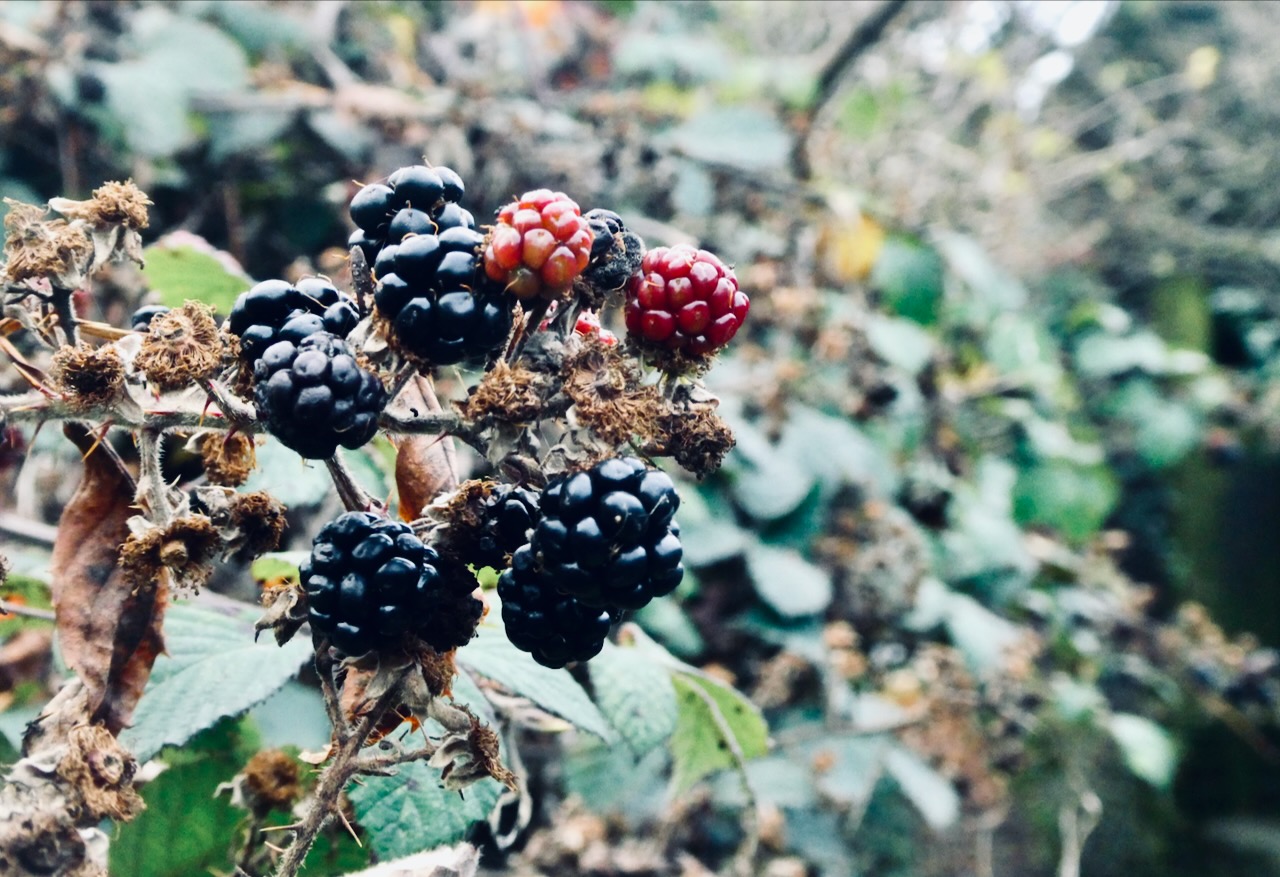
I’m very sure this is the latest in any given year that blackberries have featured on this blog. They really should be gone by now, and the majority of them are, having long reduced themselves to shrivelled, dusty-looking remnants. But for some reason or other, these ones are hanging on in there. I wouldn’t eat them, though.
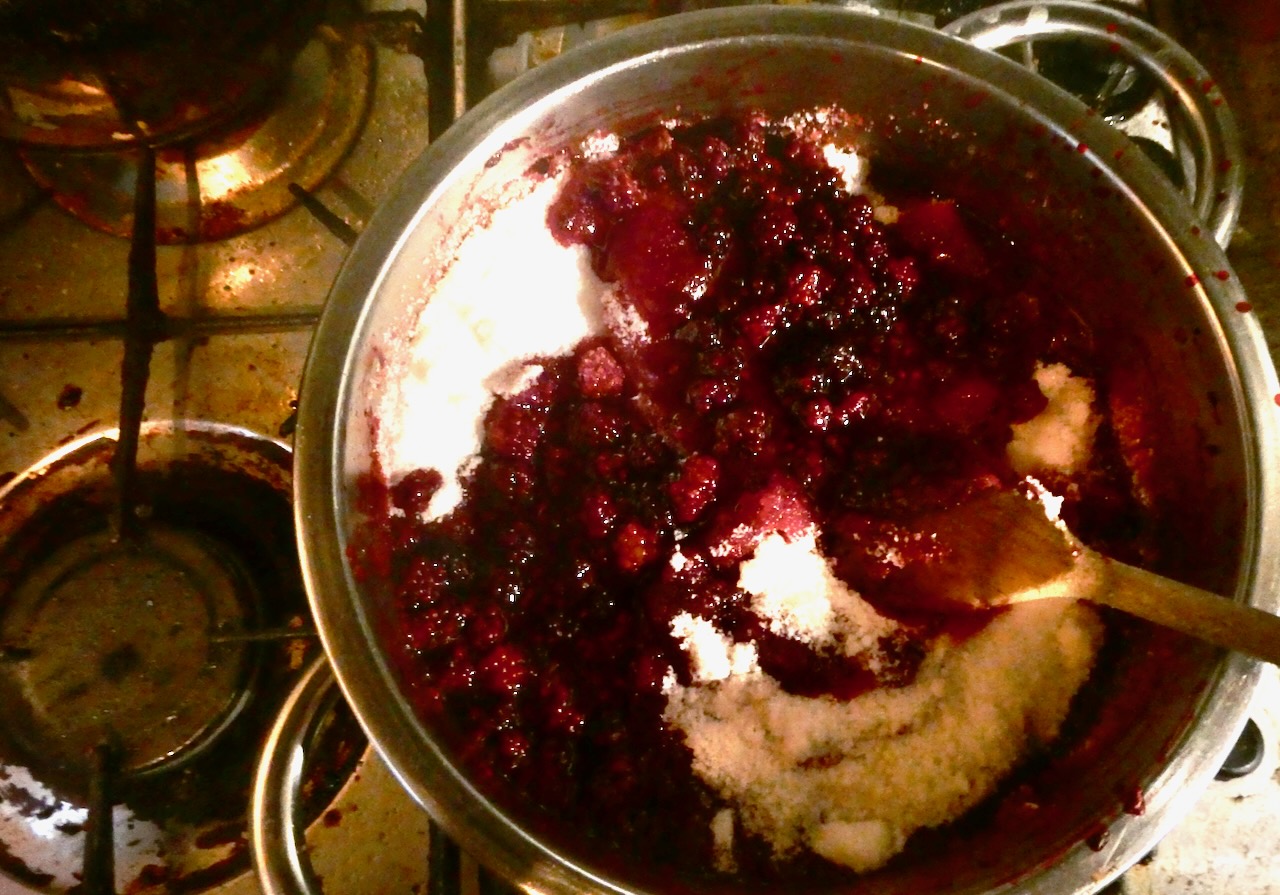
Four pounds of blackberries, all foraged from the roadsides within 200 yards of home, have just been combined with four pounds of sugar. Four pounds of sugar is a lot. But, an hour or so later, there were six jars of very nice jam ready to see us through the winter. Making jam may seem a terribly middle-class thing to do but it ain’t hard, y’know.
In all the fuss about the plums this year, we risk forgetting that these equally scrumptious beauties have also had a very fine summer. I just wish that come November, our supermarket shelves won’t be stuffed with the identical product, but shipped over from Guatemala.
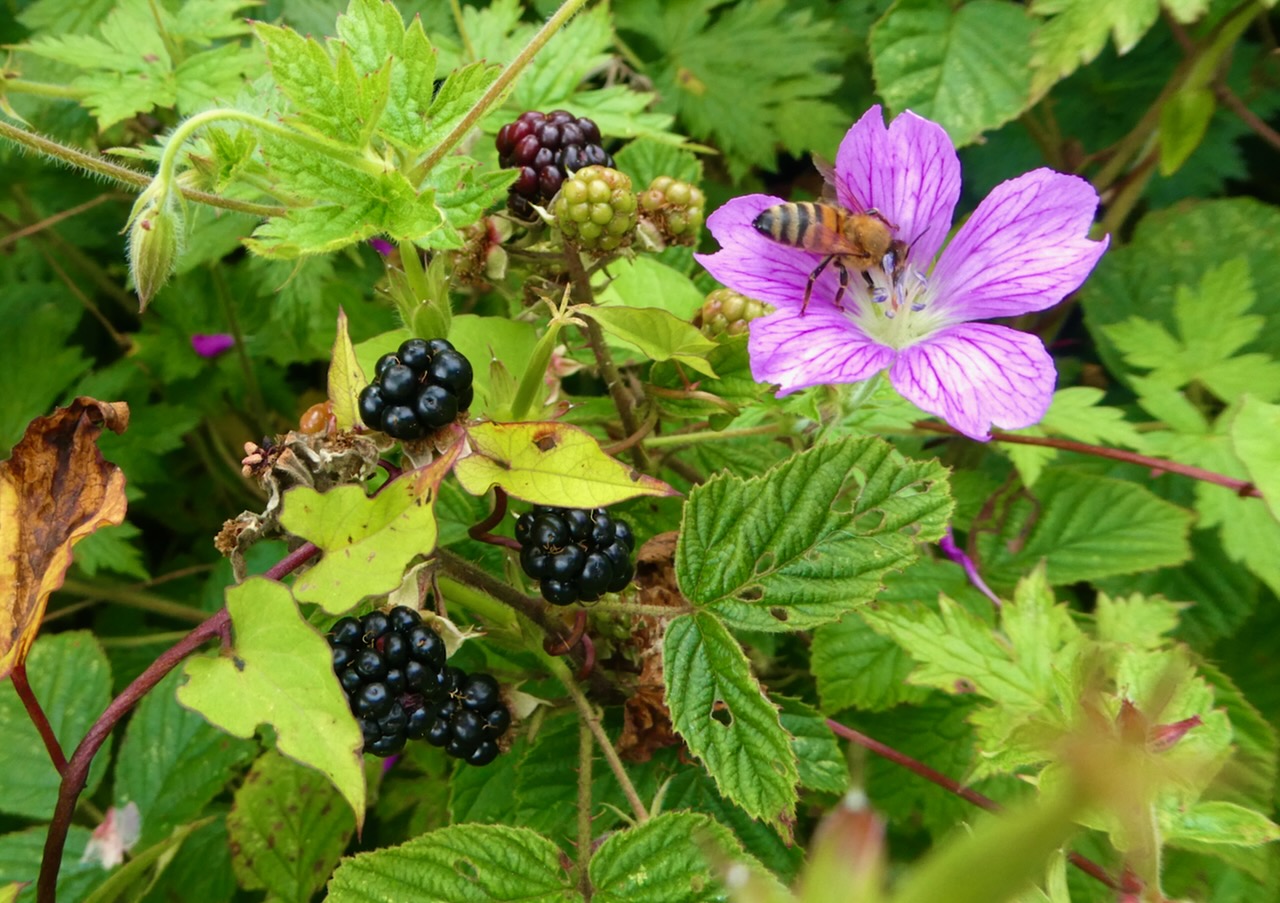
The insect was after the nectar. The flower wants its pollen moving on. I wanted the blackberries, the seeds of which will in turn be distributed. We all get something out of the transaction.
It’s nice when interests coincide. Behind one goal at Atherton Laburnum Rovers’ Crilly Park stadium, there was growing today a whole run of plump, ripe blackberries, of which this was just a small part. Luckily for me I had a collection vessel, which was definitely filled before I settled in to watch the game.
You might have noticed that a nice round number approaches, in terms of the number of days I have been doing this. But that’s for tomorrow.
Ahhh. Rubus plicatus, one of the countryside’s great free bounties. They have found evidence in the stomachs of prehistoric peat bog victims that we’ve been eating these beauties for thousands of years. Who am I to go against such tradition.
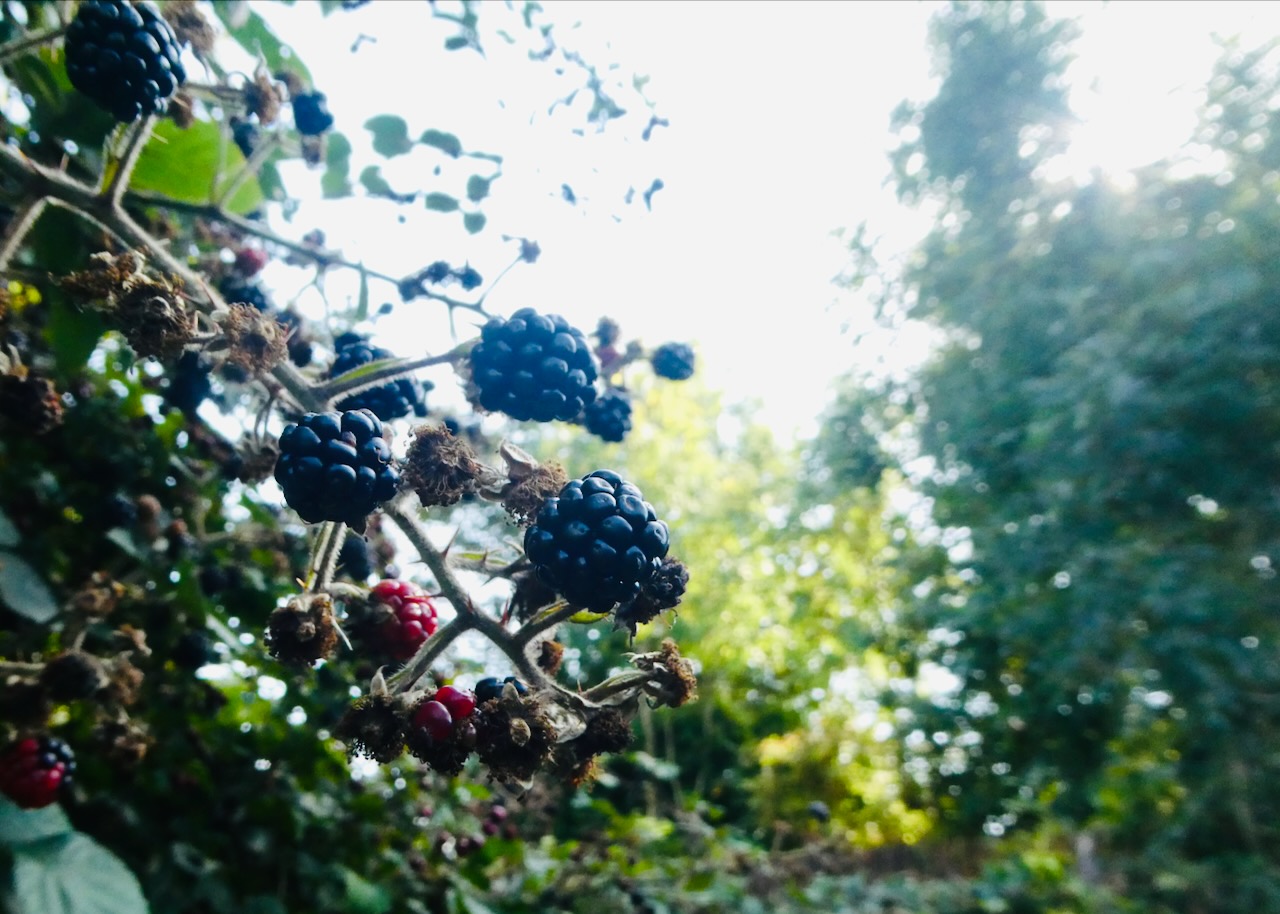
So many blackberries. So little freezer space. This clump dangles tantalisingly off the wall at the end of Victoria Road, ten feet up; no one can pick them. But then again so much of this free bounty remains unharvested at the end of a summer; and so in November, the shops feel it’s OK to sell the imports from Guatemala. What a waste…
Wilfully ignoring the political developments of the day — let’s photograph some food instead. Two days after being picked, these blueberries have darkened to become indistinguishable, colour-wise, from the blackberries tossed in the bowl with them. Add some sugar and cream, and eat to forget.